Trails for Tomorrow

Guided hikes, hands-on conservation workshops, and land-based learning experiences that help people across New Brunswick build a stronger relationship with the rivers, forests, wetlands, and wildlife that sustain us.

Hike, Learn, Conserve

About the Project

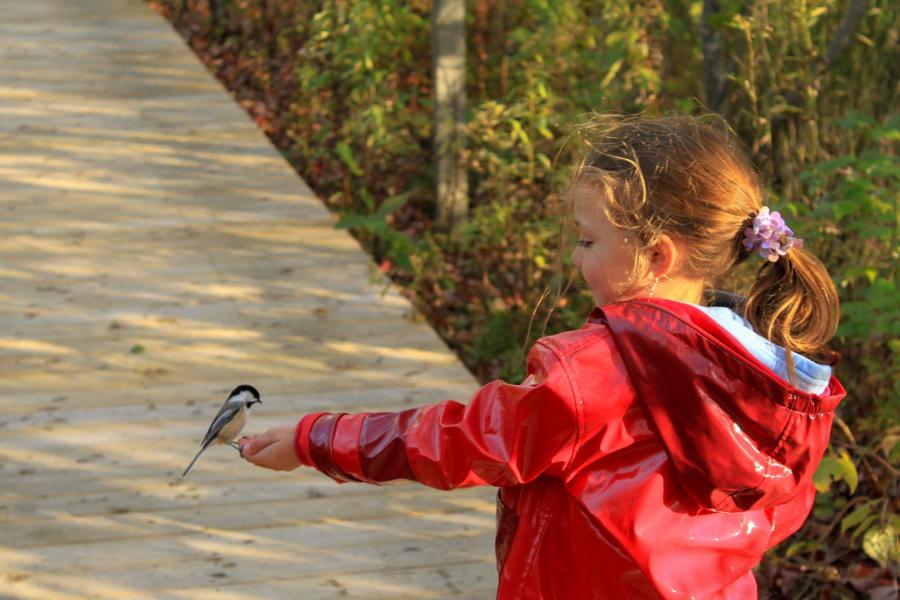
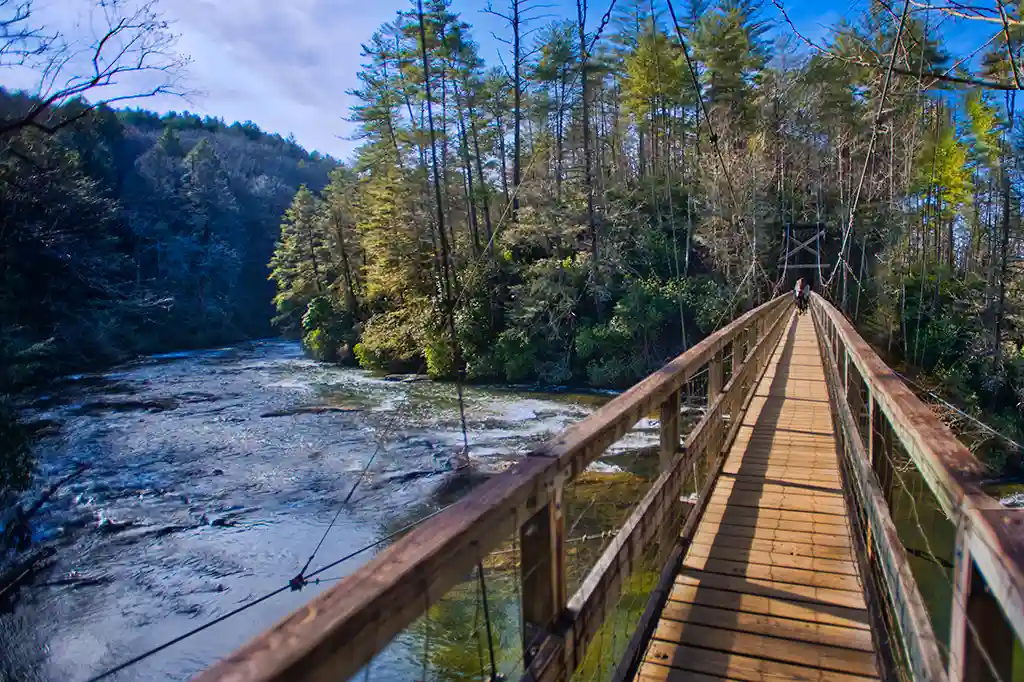
Trails for Tomorrow is an invitation to step onto the land with curiosity, care, and confidence. Rooted in New Brunswick and inspired by Nature Through Our Senses, this project creates meaningful pathways for youth, families, newcomers, and communities to learn with the land — not simply pass through it. Through guided hikes, trail-based workshops, leader preparation, and digital outreach, every trail becomes a place of discovery, belonging, and stewardship. A riverbank becomes a lesson in resilience. A forest stop becomes a chance to notice change. A wetland visit becomes an invitation to protect what quietly protects us.

This is how connection deepens — and how community well-being becomes inseparable from the future of the land. Made possible through the support of Wildlife Habitat Canada and committed community partners across New Brunswick.
Program Partnerships

Fostering Deeper Connections

Why it Matters

New Brunswick is rich in rivers, forests, wetlands, and wildlife, yet many of these ecosystems are under growing pressure. At the same time, more people, especially young people – are growing up with fewer meaningful opportunities to build confidence outdoors, understand local ecosystems, and feel a personal responsibility toward the places around them. Trails for Tomorrow responds to both realities at once: people need nature, and nature needs people.
  • Rivers under pressure: From flooding and pollution to habitat disruption, water systems are carrying the weight of climate change and human impact. When communities understand rivers as living systems, they are more prepared to care for them.
  • Forests in transition: The Acadian forest is changing under pressure from fragmentation, invasive species, pests, and climate stress. Guided outdoor learning helps people notice change, understand its causes, and see why stewardship matters.
  • Wetlands that hold more than water: Wetlands such as Grand Lake Meadows and the Tantramar Marshes filter water, reduce flood risk, and support biodiversity yet many remain undervalued or overlooked. This project helps participants experience these places as essential, living infrastructure.
  • A growing disconnection from land: Many children and families know nature more through screens than streams. Structured, welcoming experiences make it easier for people to step outside, build confidence, and begin forming lasting relationships with the land.
BRINGING THE PROJECT TO LIFE

Project Activities

  • Seasonal Guided Hikes
    Community hikes shaped by the rhythms of the year and the ecological stories each season reveals.
  • Trail-based Workshops
    Hands-on learning that brings conservation to life through observation, skills practice, and action.
  • Leader Preparation
    Professional outdoor learning opportunities that help educators, facilitators, and community leaders guide land-based experiences with confidence.
  • Digital Learning and Outreach
    An online extension that keeps the project accessible through event information, downloadable resources, and story-based conservation content.
Change That Lasts

Anticipated Impact

Trails for Tomorrow is designed to create change that is immediate, practical, and lasting. It strengthens ecological literacy, community connection, and a culture of everyday stewardship.

  • Short Term
    Engage participants, increase ecological literacy and outdoor confidence, and create stronger connections between people, place, and community.
  • Medium Term
    Grow a bank of digital resources, deepen partnerships with schools and community organizations, and extend the project’s reach beyond in-person events.
  • Long Term
    Help nurture a generation that sees stewardship as part of belonging and support healthier, more resilient ecosystems through ongoing care, awareness, and advocacy.

Our Vision for the Future

  • Develop early skills in environmental observation and stewardship
  • Experience climate change as a personal and shared responsibility
  • Welcome newcomer families into New Brunswick’s natural spaces with confidence
Common Questions

Frequently Asked Questions

Trails for Tomorrow is a community-based stewardship project that combines guided hikes, trail-based conservation workshops, leader preparation, and digital outreach to help people build meaningful relationships with New Brunswick’s ecosystems.

The project is designed to welcome youth, families, newcomers, educators, community leaders, and anyone interested in learning more about the land through guided, accessible experiences.

No. Trails for Tomorrow is designed to be welcoming and supportive. Activities can be adapted to different comfort levels, and the emphasis is on learning, observation, and connection – not athletic performance.

Participants explore a local trail or ecosystem with guidance, engage in themed learning activities, and take part in practical stewardship experiences such as species identification, Leave No Trace learning, or simple citizen science activities.

The project honours Indigenous perspectives on land, reciprocity, and stewardship, and seeks guidance from Indigenous educators and knowledge holders so learning is respectful, culturally grounded, and connected to place.

Yes. The webpage can grow into a digital hub featuring event information, downloadable resources, outreach materials, and future conservation content for families, schools, and community organizations.

Yes. Trails for Tomorrow is well suited for collaboration with schools, libraries, youth programs, newcomer-serving organizations, trail groups, and local partners who want to bring land-based learning into their communities.

People can take part by attending hikes and workshops, sharing project resources, partnering on local programming, or helping expand the project’s reach through collaboration and support.

Trails for Tomorrow honours the longstanding stewardship traditions of the Wabanaki Peoples and embraces values of observation, reciprocity, gratitude, and responsibility. Participants are invited to ask not only what they can learn from the land, but also how they can care for it in return.

Get Involved

Trails for Tomorrow is about more than walking trails, it is about walking pathways back to belonging. Whether you are a family looking for meaningful outdoor experiences, a school seeking place-based learning opportunities, a community partner ready to collaborate, or a supporter who believes in stewardship, there is a place for you in this journey.

To learn more, partner, or support the project, get in touch:
Mackenzie Warman, Project Coordinator | coordinator@usnn.ca

Project Management Team

Mackenzie Warman

PROJECT CoordinatoR

email: COORDINATOR@usnn.ca