Learning With the Land in Tantramar
November 16, 2026
A reflection on community connection, seasonal learning, and shared stewardship
By Sama AlMaarofi | Event Facilitator and USNN Executive Director
I begin with gratitude. The United Spirit Nature Network received generous support from the Municipality of Tantramar through its Community Development Grants Program. The grant gave USNN an opportunity to bring community programming into the region and to learn how our work could best support the people already living, teaching, and caring for the land here. As we took our first steps toward expanding our programming in Tantramar, this municipal support made those steps possible.
For me, entering a new community begins with listening. A program may be carefully prepared, but it becomes meaningful only when it responds to the place where it is offered. We therefore approached this work as a relationship-building journey. We wanted to meet people, understand the character of the region, notice what mattered to families and educators, and find local organizations whose knowledge could guide us.
View photos from our Tantramar gatherings
Beginning With Listening
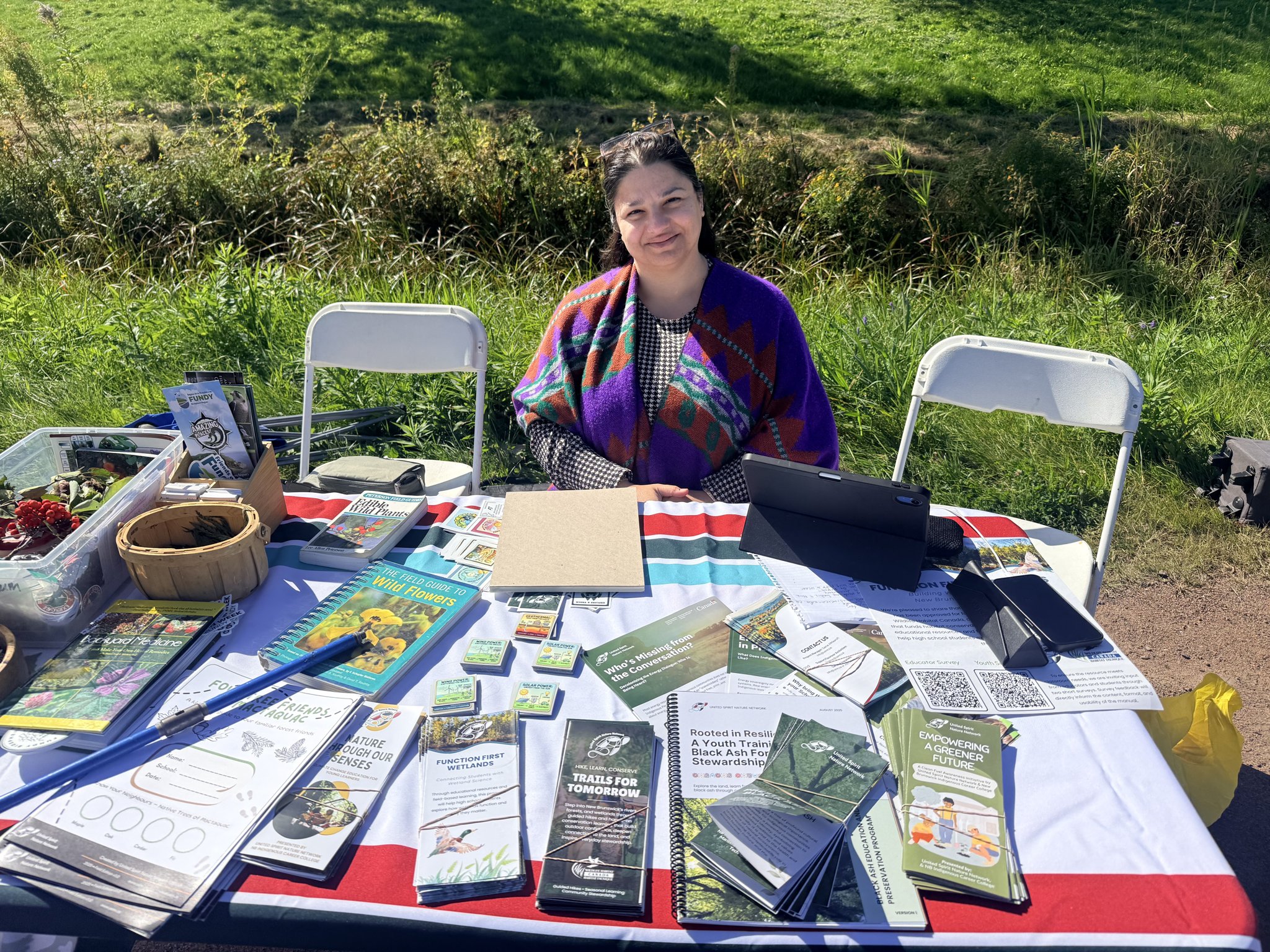
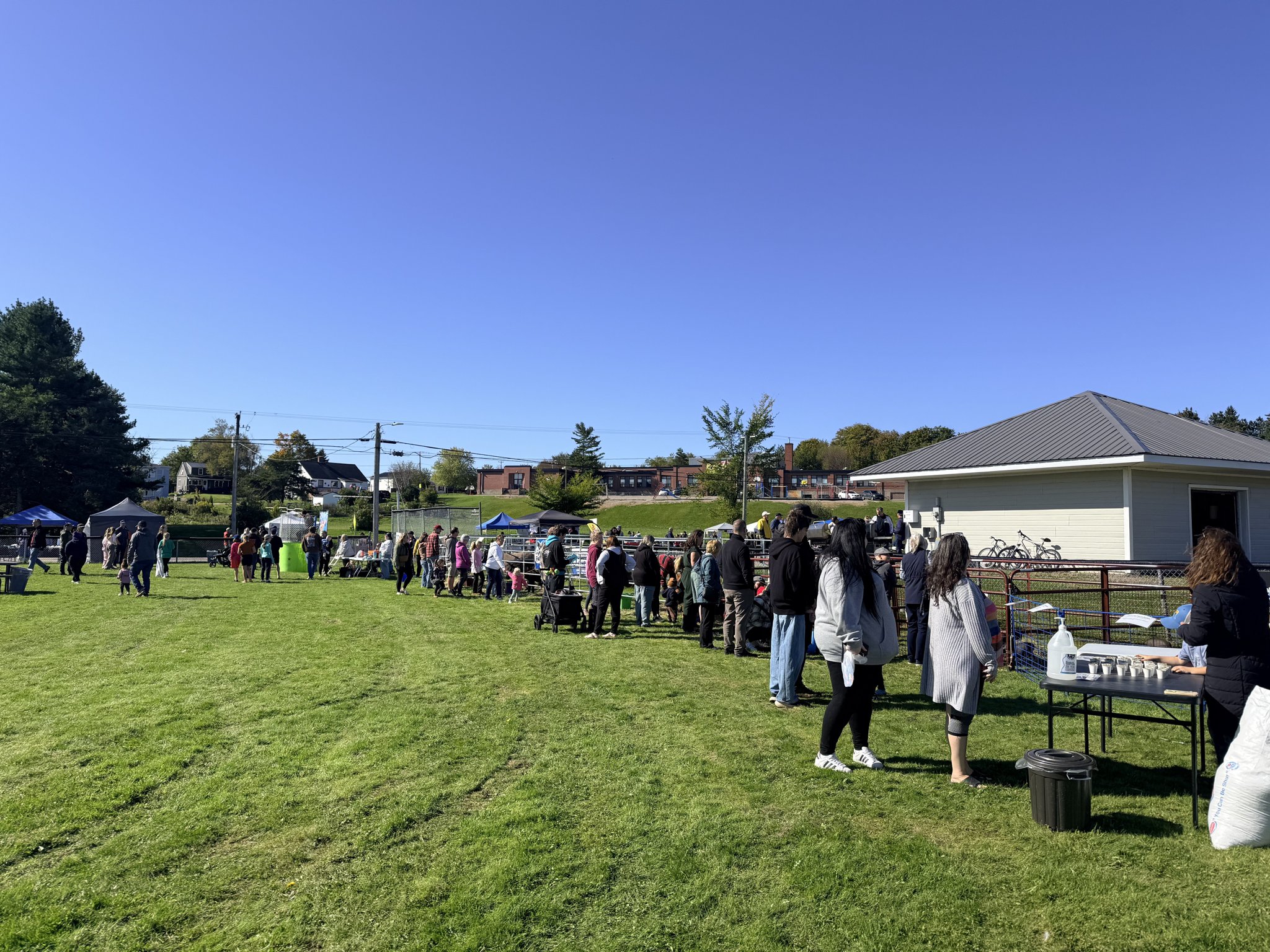
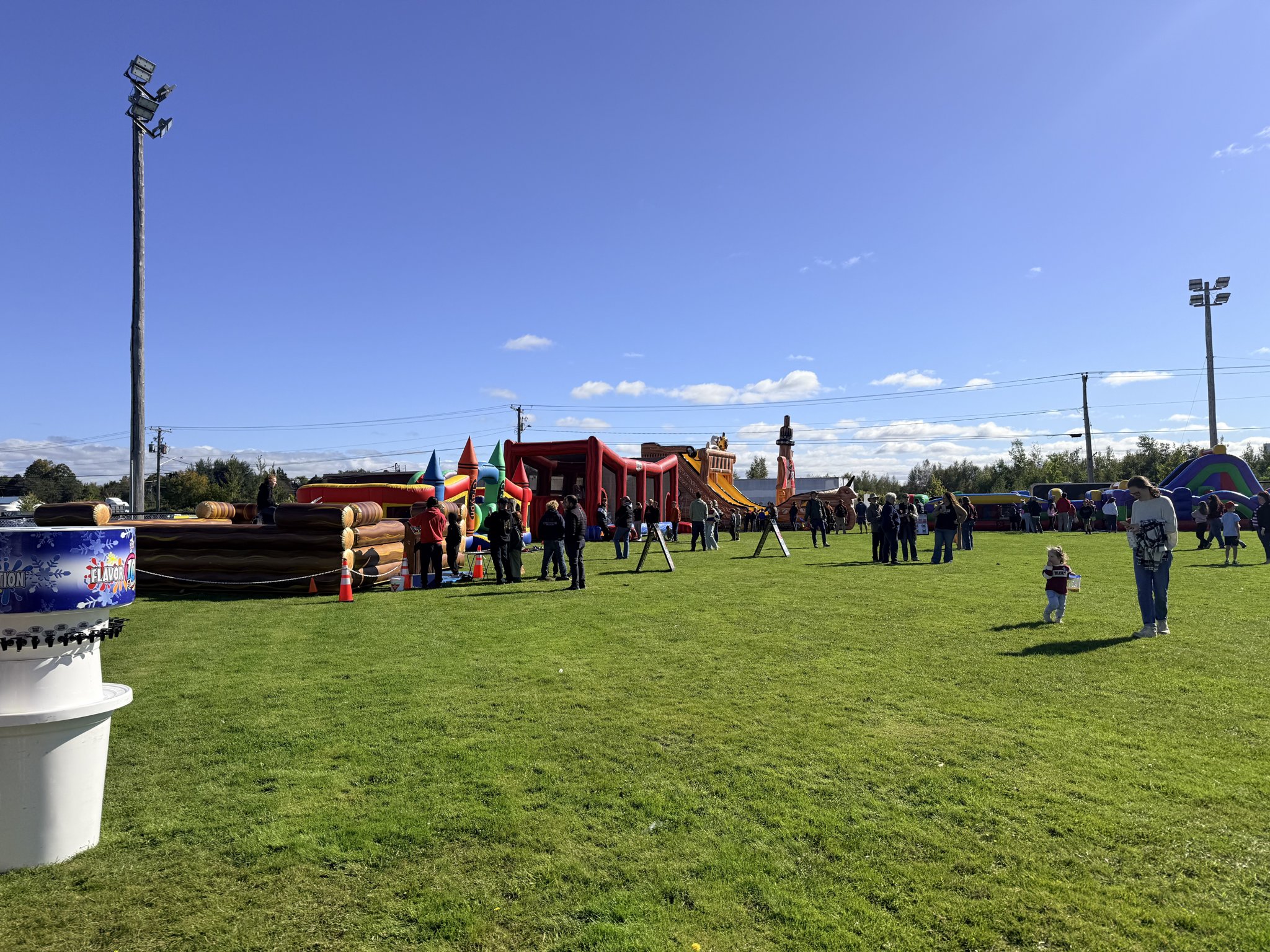
That journey began on September 19 during Family Day at the 2026 Sackville Fall Fair. USNN set up a booth where we shared resources, introduced our programs, and spoke with local residents. The booth gave us something more valuable than visibility: it gave us time to listen. People stopped to ask questions, tell us what interested them, and speak about the community through their own experiences. Each conversation helped me understand Tantramar a little more clearly.
One of the most important outcomes of that day was meeting EOS Eco-Energy. The connection felt natural. EOS is rooted in Sackville and works on community-based environmental learning, climate action, and watershed issues. USNN brings land-based education, sensory learning, and an approach shaped by Indigenous knowledge, reciprocity, and stewardship. Our conversations moved quickly from introductions to possibilities. With EOS sharing local insight and helping us connect with the community, we were able to plan two activities that were more responsive to the place and the people we hoped to serve.
The Forest Became Our Classroom
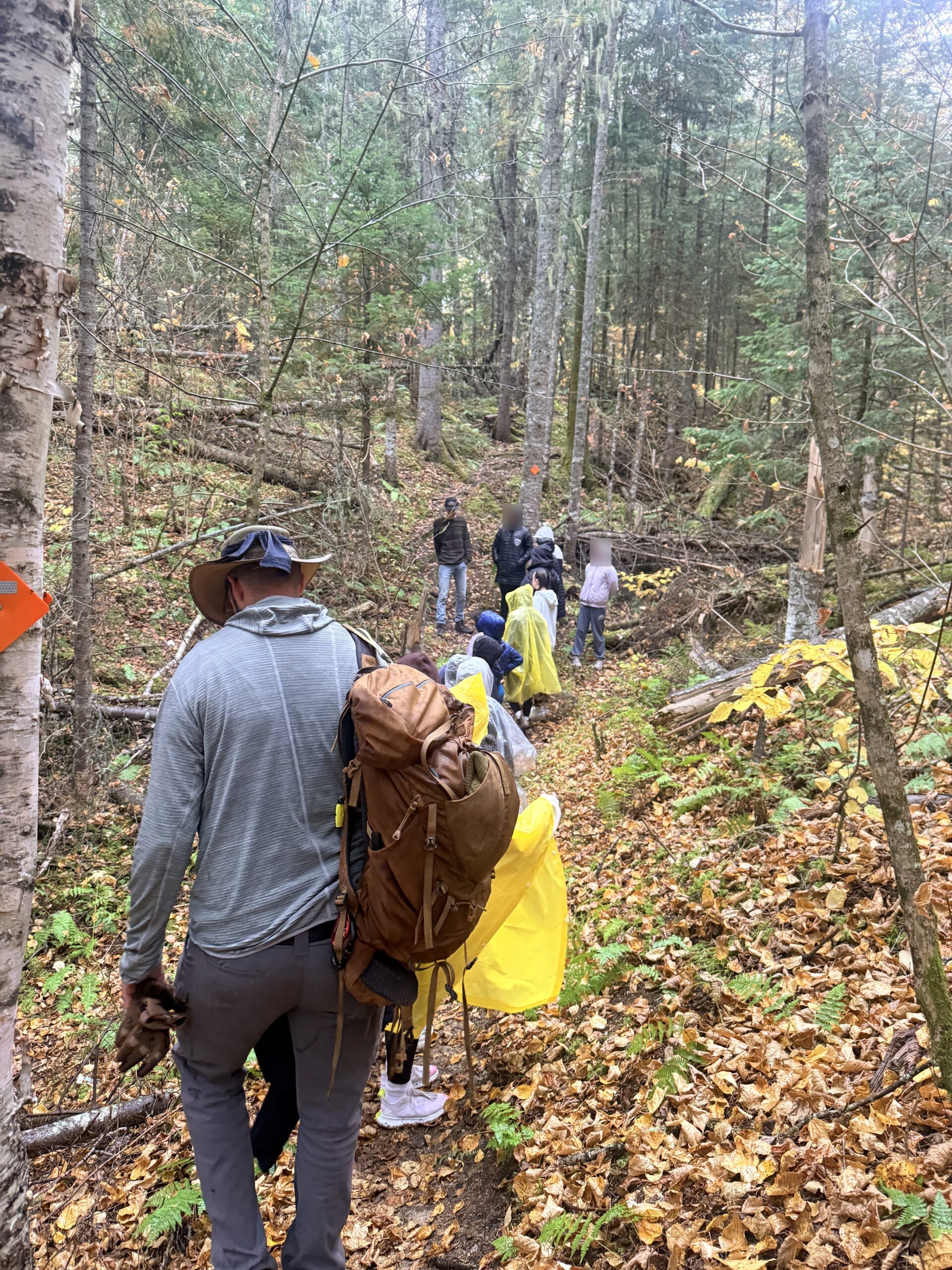
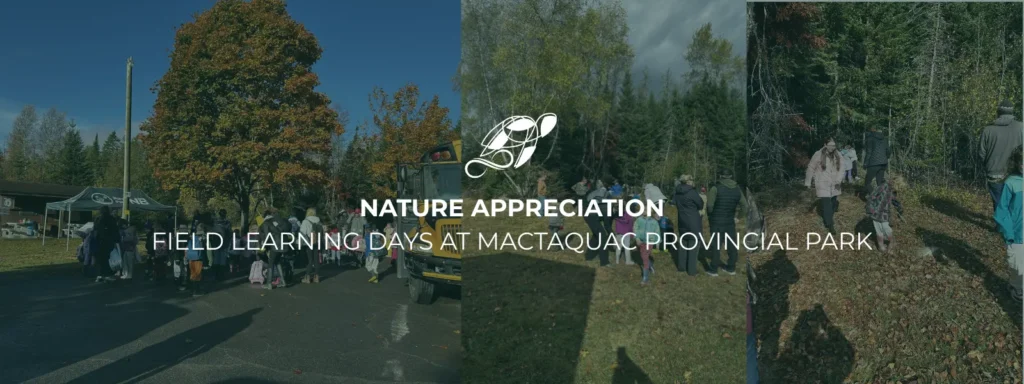
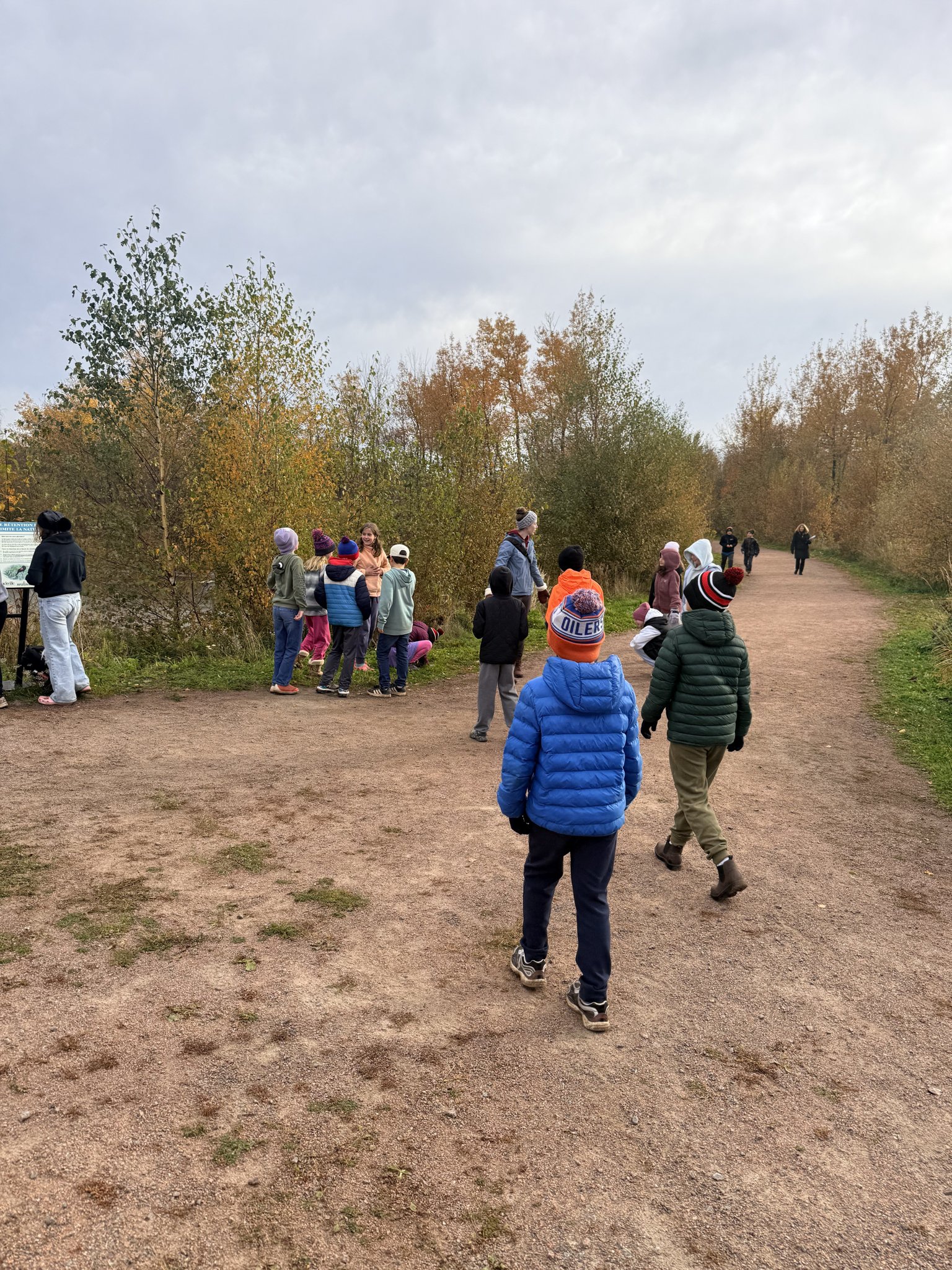
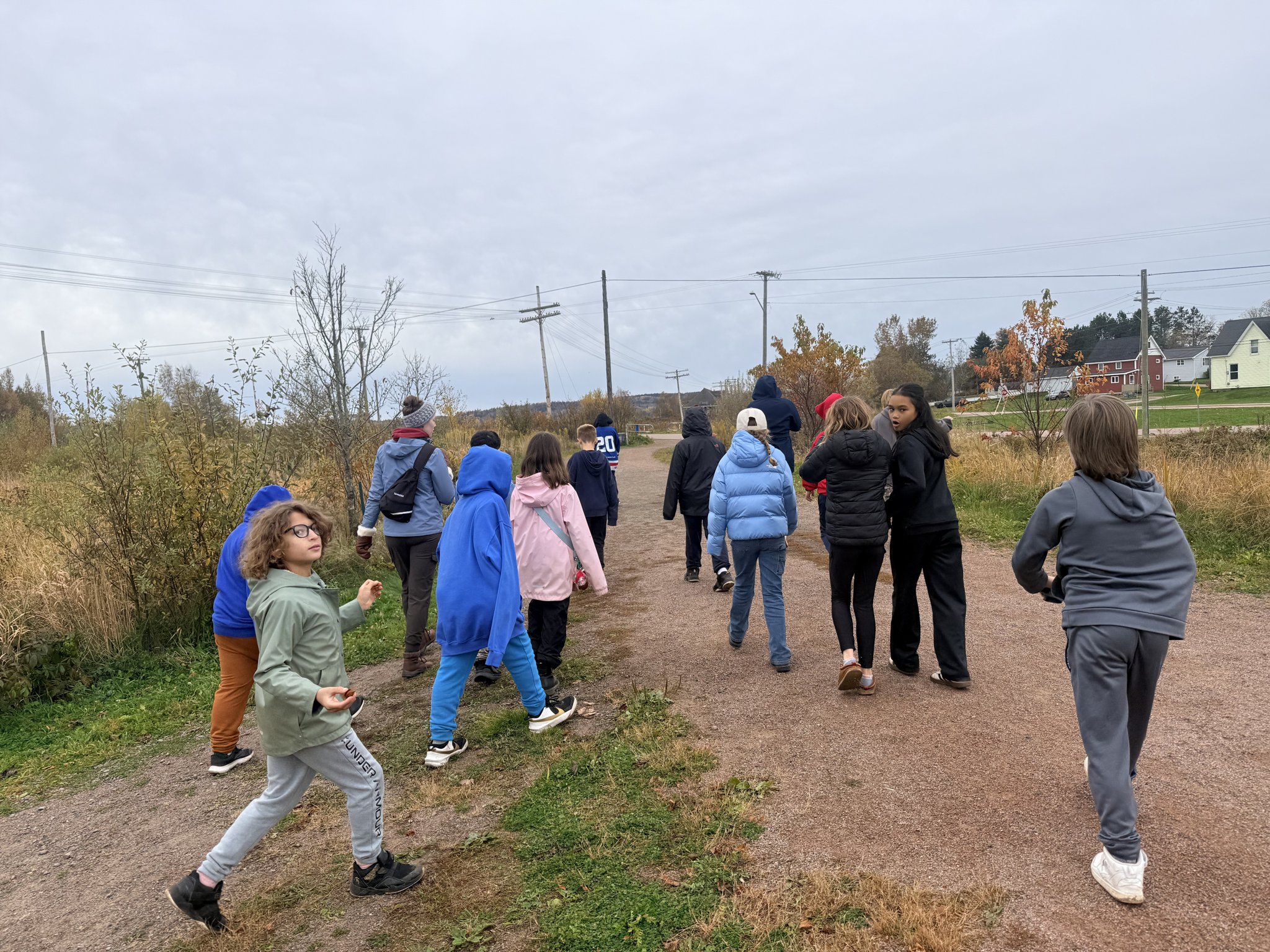
On October 22, I visited Marshview Middle School to deliver four sessions of USNN’s Trails for Tomorrow program, focusing on Forests in Transition. Across the day, more than 75 students and their teachers joined the learning. We walked together toward the retention ponds and into the forested area near the school. The familiar landscape around the school became our classroom, and the ordinary act of walking became an invitation to pay attention.
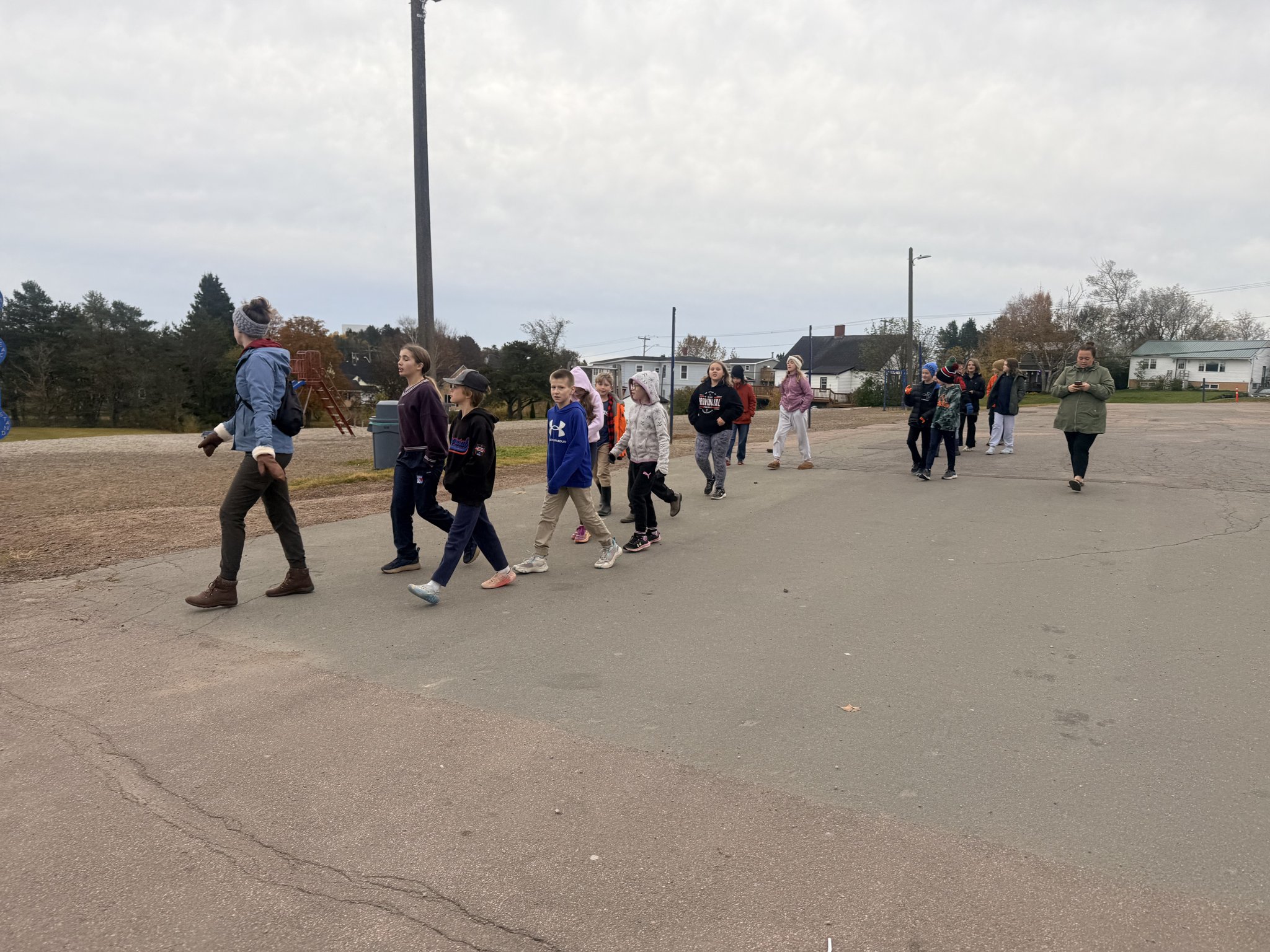
I wanted the students to understand that learning from the land starts before we name a species or explain a scientific process. It begins by noticing. What is growing here? What is changing? Where is water held? Which living beings share this space? What does the season ask them to do? As the students looked closely, the forest offered its own examples. Growth was visible beside decay. Some plants were completing a cycle while others were preparing for what would come next. The season showed that change is not separate from life; it is part of how life continues.
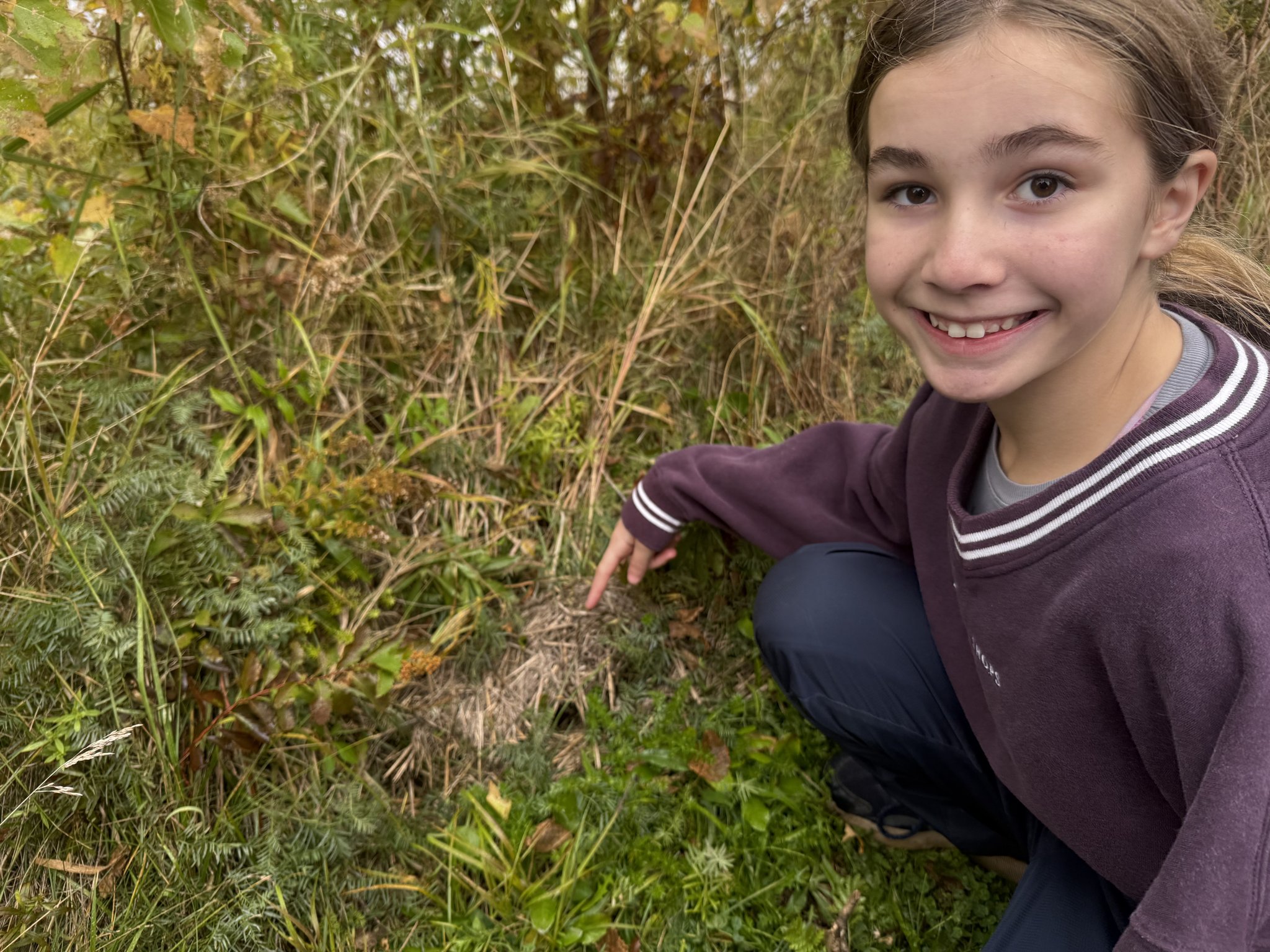
We also explored land acknowledgement as a lived responsibility rather than a sentence spoken at the beginning of an event. Acknowledging land asks us to recognize whose territories we are on, but it also asks how we live in relationship with that land. Are we paying attention to what it provides? Are we taking only what we need? Are we caring for what will remain after us? These questions are grounded in Indigenous teachings about living with the land, living from the land, and understanding ourselves as part of it.
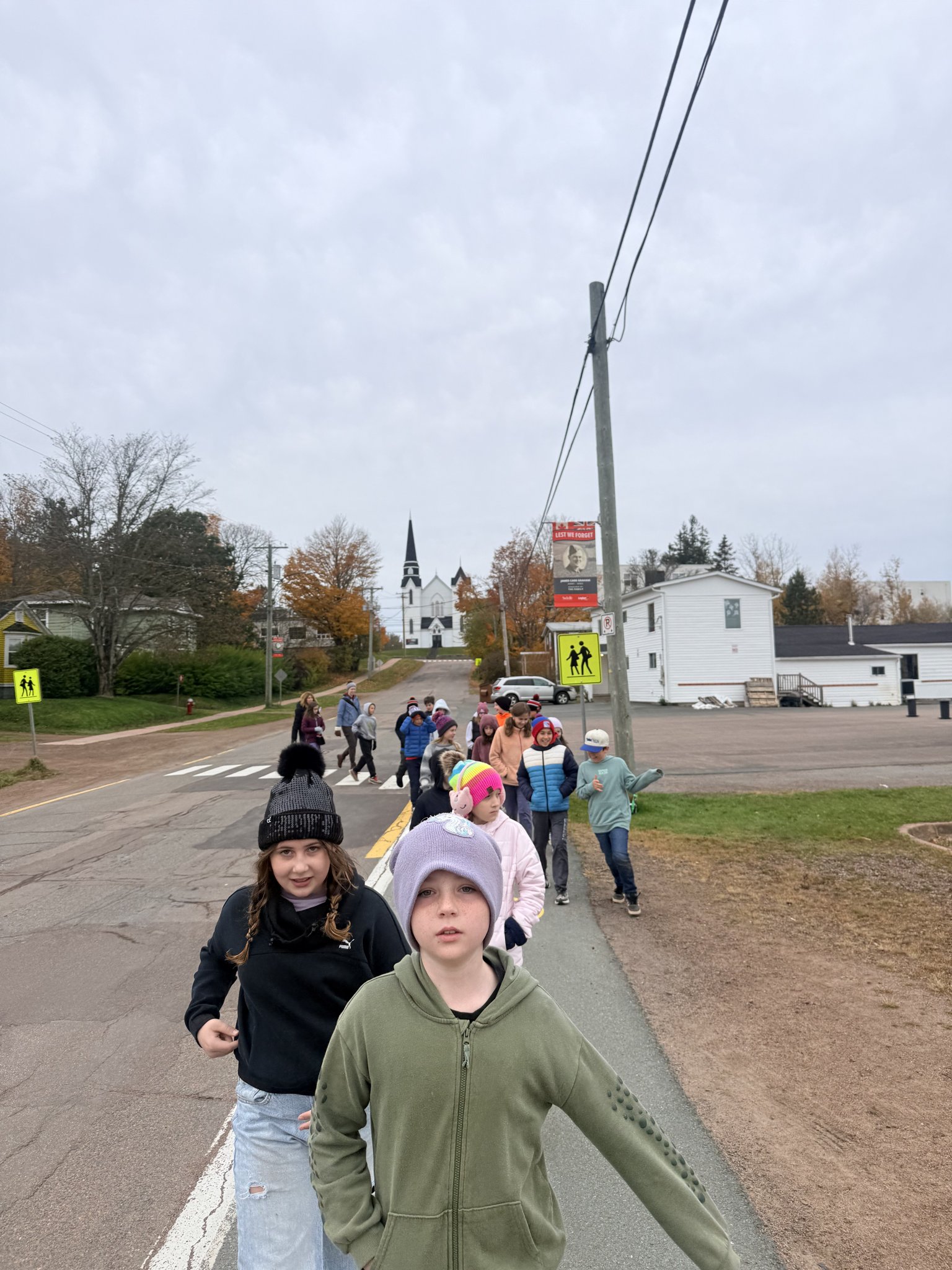
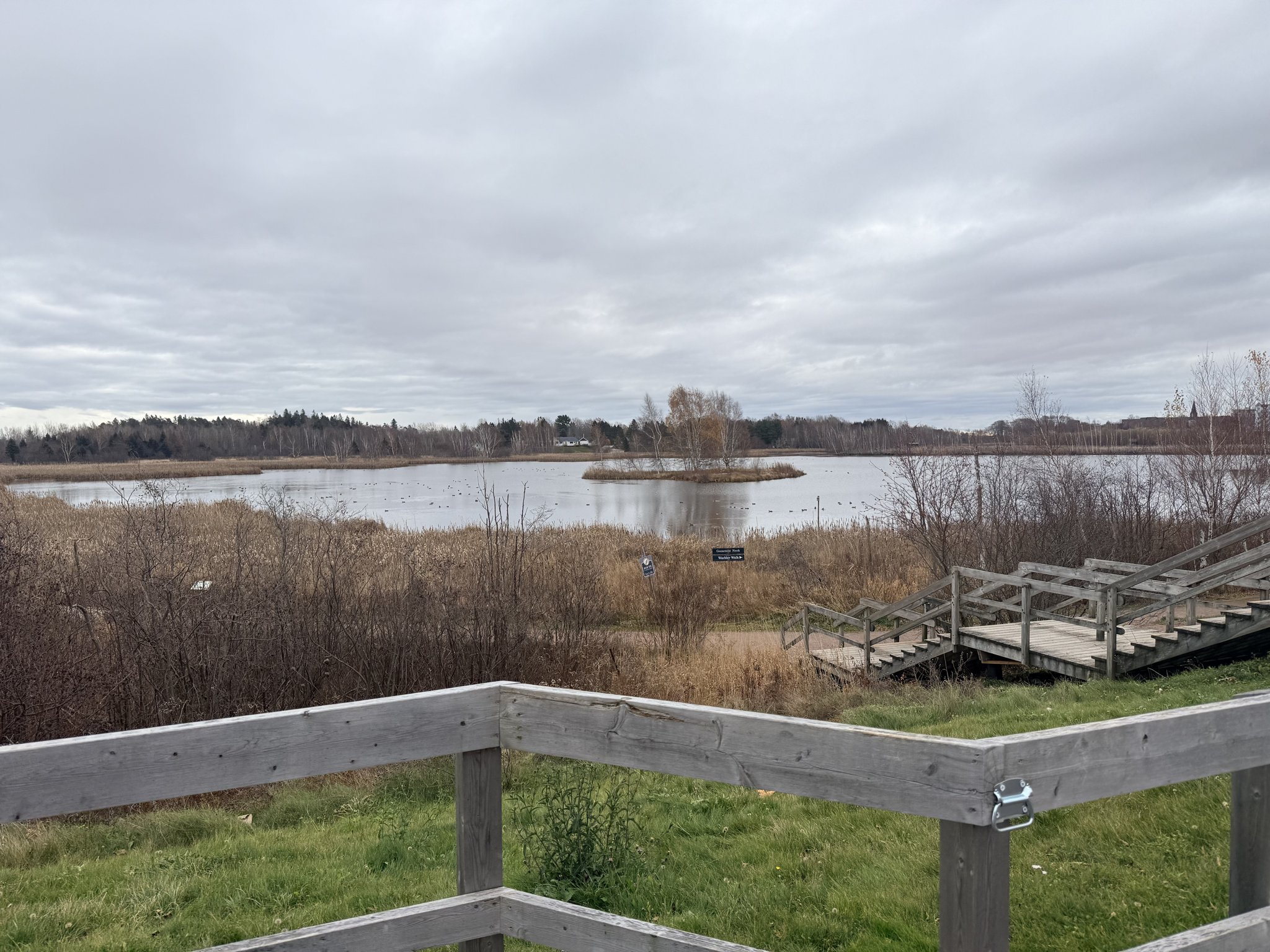
The retention ponds opened another layer of discussion. We considered how water shapes a place and how spaces that hold water can carry practical, ecological, and community meaning. They can help us observe seasonal patterns, changing habitats, and the ways people respond to water over time. Looking at the ponds through more than one perspective helped the students see that a landscape can be both functional and alive with relationships. It can hold stories from earlier generations while asking something of the generations who are growing up now.
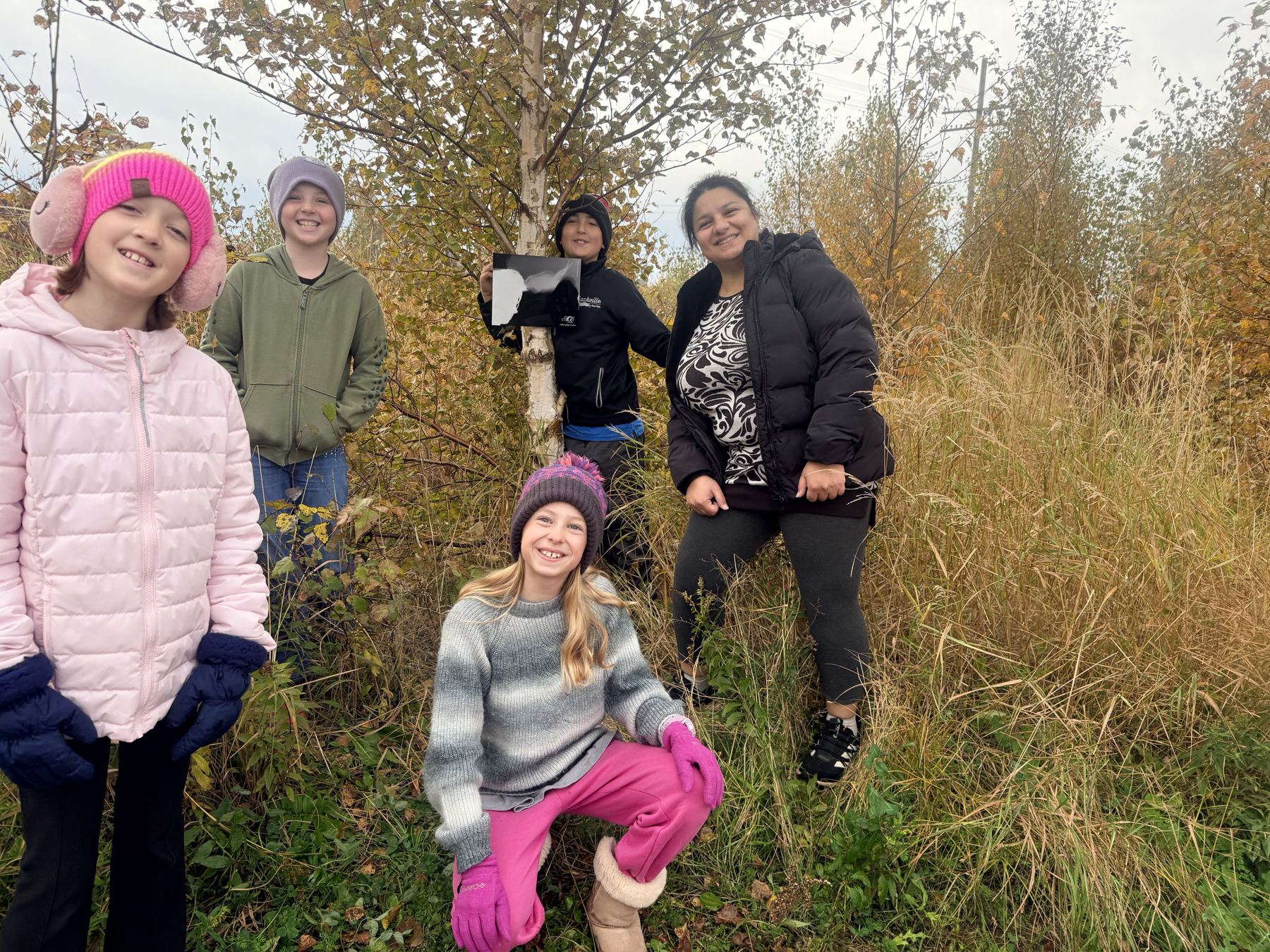
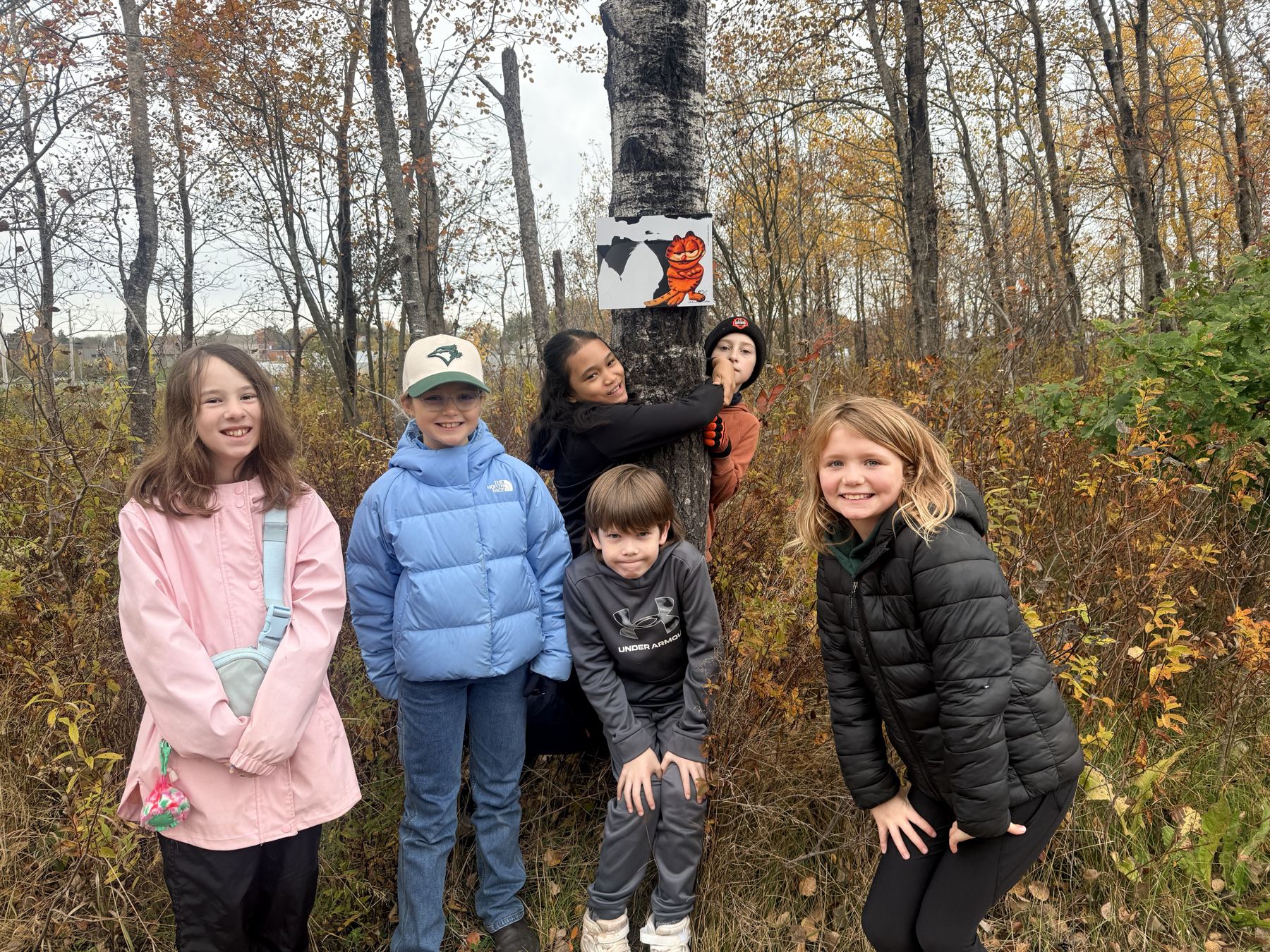
What stayed with me was the students’ willingness to look again. A place they passed regularly could suddenly become a source of questions, memories, and responsibility. That shift is central to Trails for Tomorrow. We want young people to experience a forest, wetland, or trail as a place where they belong and where their choices matter.
A Winter Story Took Root
Our second community event took place on November 14 at the Tantramar Visitor Information Centre. Families were invited to a free nature art and storytelling workshop connected to USNN’s Nature Through Our Senses program. Where the school sessions invited students to learn through walking and observation, this gathering invited families to learn through story, touch, imagination, and making.
We began with Hazel’s Warm Blanket, a story about a young squirrel encountering winter for the first time. Hazel has to notice the signs of seasonal change and learn how to prepare. The story gave us a gentle way to talk about adaptation. In nature, preparation is not driven by a calendar. It comes from attention to temperature, light, food, shelter, and the many signals carried by the land. Hazel’s experience helped children and adults consider how living beings respond when one season begins to give way to another.
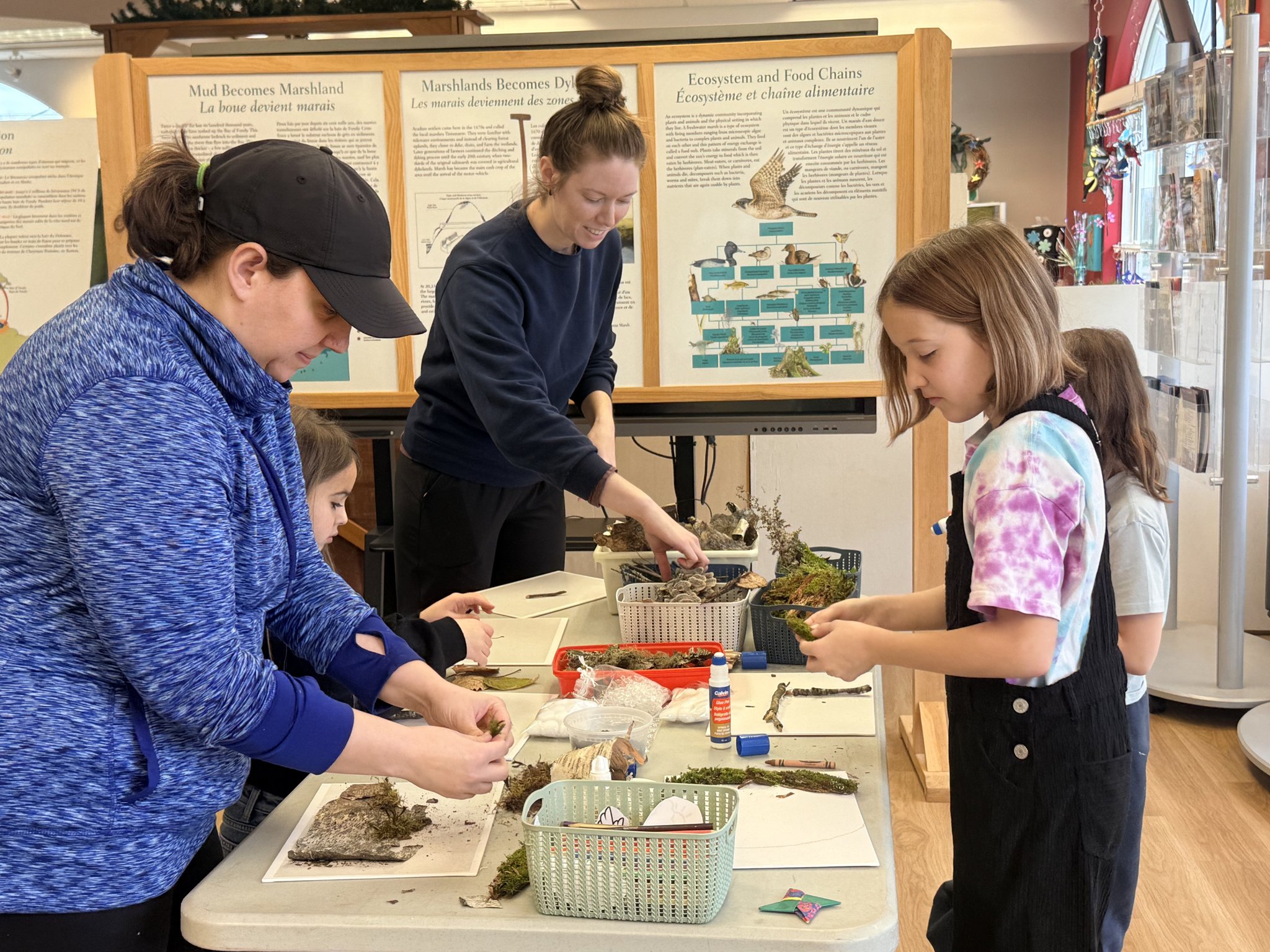
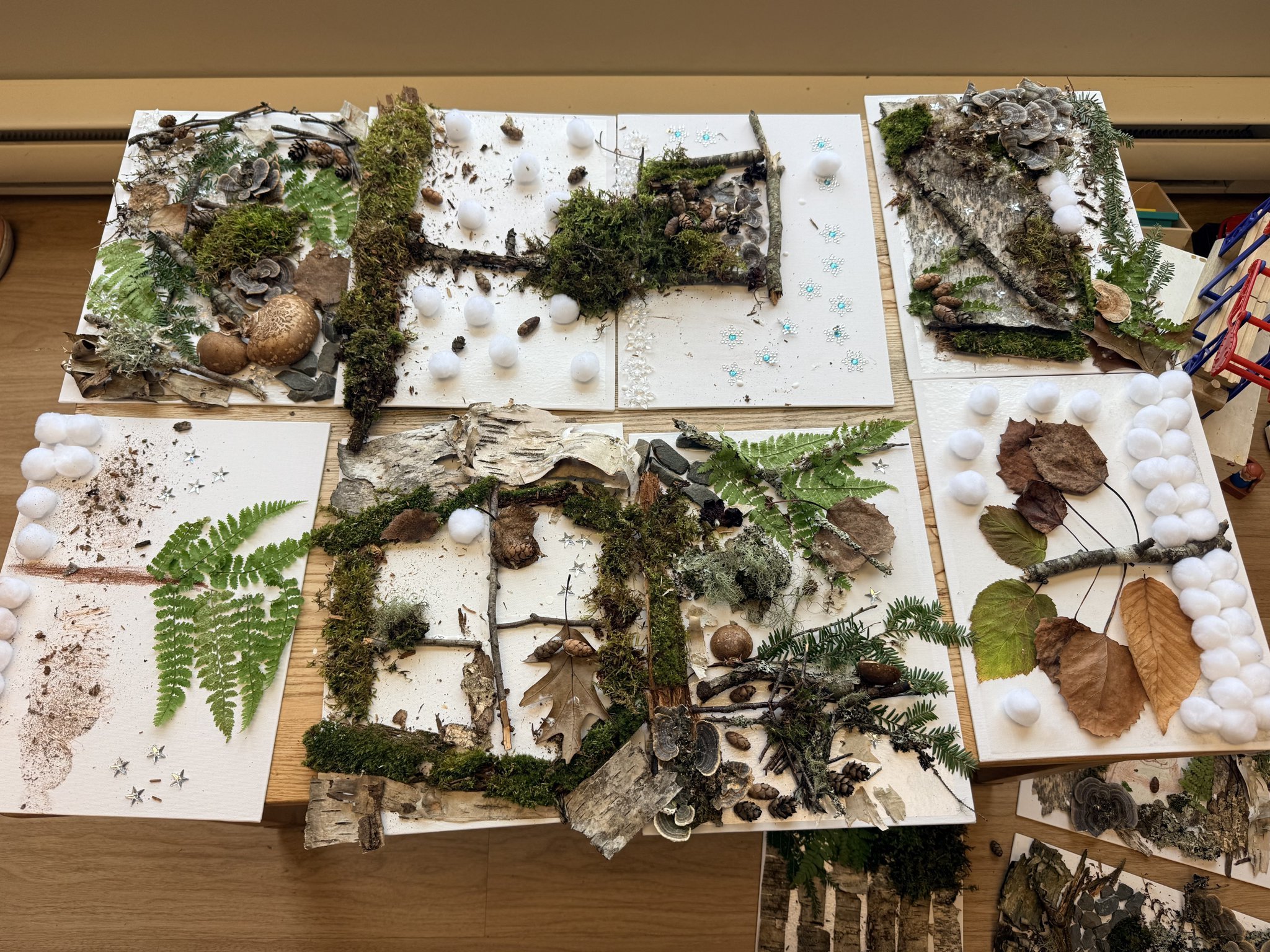
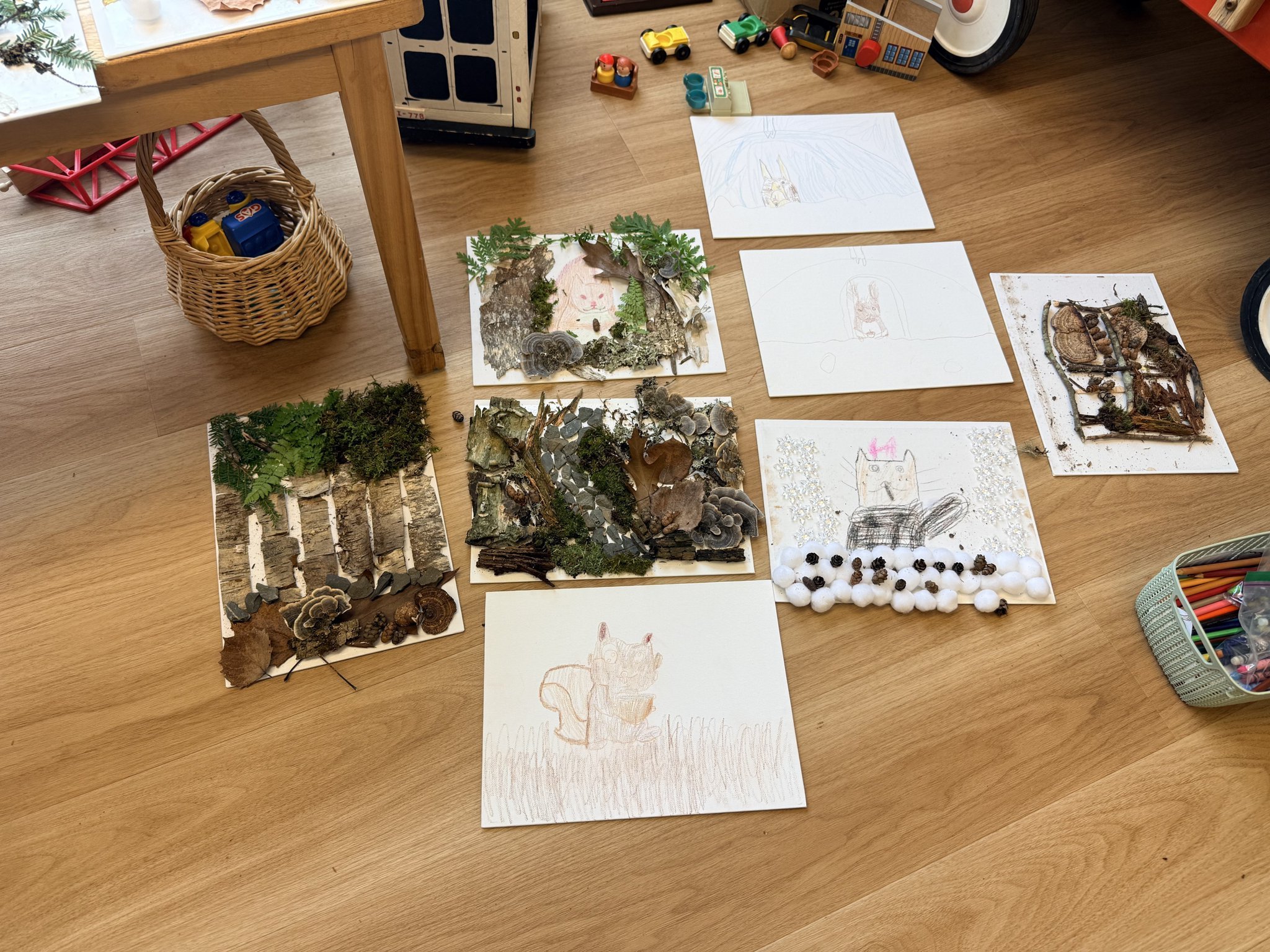
After the story, participants created their own nature illustrations using sticks, moss, pieces of bark, mushrooms, acorns, and leaves. The materials became part of the storytelling. A twig could form the edge of a shelter. Moss could become a soft forest floor. Leaves could suggest wind, movement, or a blanket gathered for warmth. There was no single correct picture. Each person remembered a different part of the story and followed a different idea.
Around the tables, conversation and laughter moved easily. Children experimented while family members helped, watched, and sometimes began creating alongside them. I saw how quickly a shared activity can make space for people to connect. The room did not need a long explanation of community; community was happening in the exchange of materials, the telling of ideas, and the encouragement offered from one person to another.
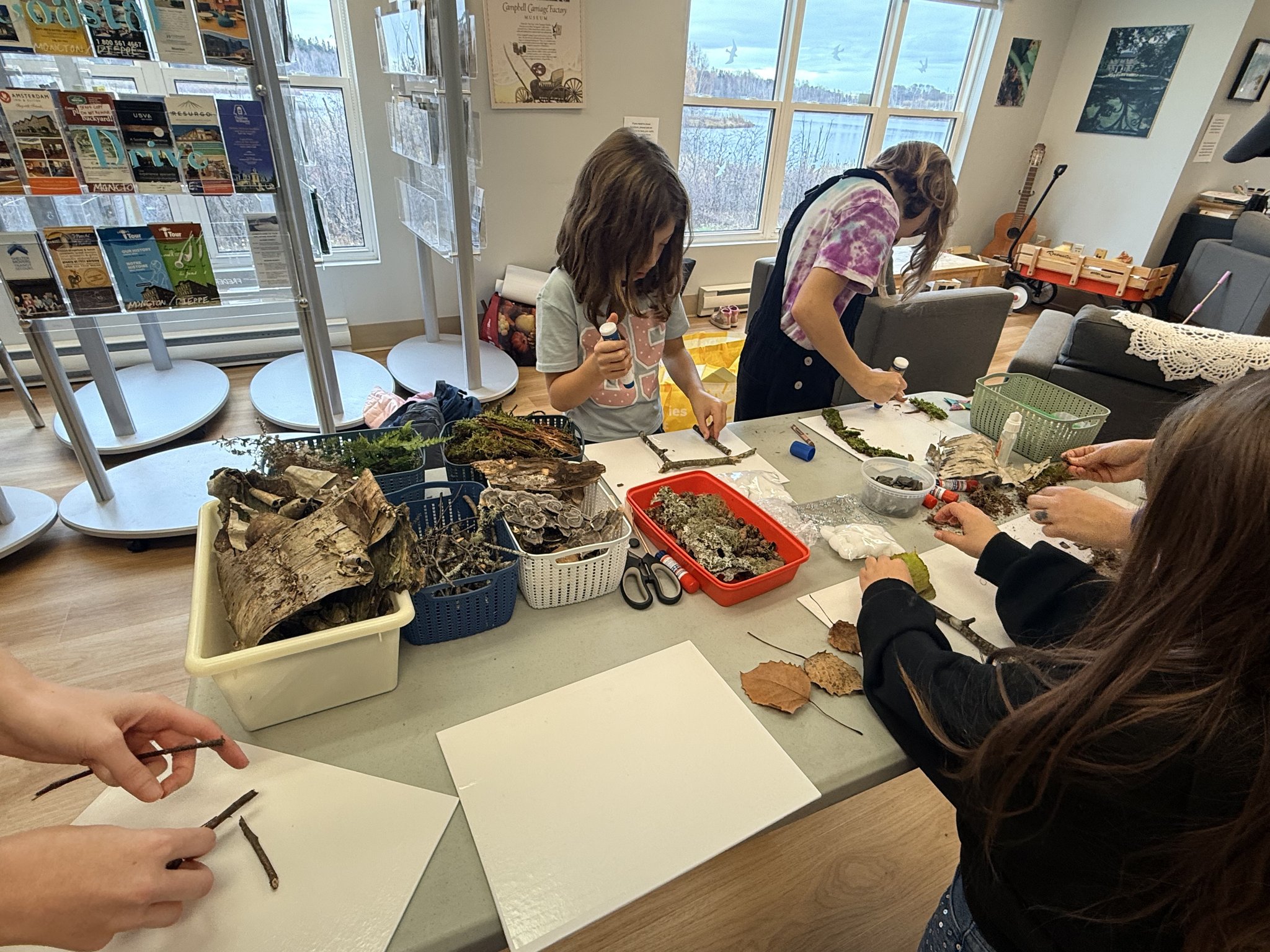
The time passed quickly. At the end, participants carried their artwork home to share with family and friends. That simple act extended the workshop beyond the room. Each piece carried a memory of the story, the season, and the time spent creating together. This is one of the gifts of sensory learning: when people touch, arrange, imagine, and talk, the lesson becomes connected to an experience they can remember.
What Community Support Makes Possible
Reflecting on these activities, I keep returning to the importance of local support. A community grant does more than cover the practical cost of an event. It gives an organization the chance to arrive, listen, and build trust. It allows a first conversation at a festival booth to grow into a partnership, a school visit, and a family workshop. It also creates room for organizations with shared values to find one another and combine their strengths.
For USNN, the Tantramar experience showed why community-based work must be built with local relationships. EOS helped us understand the region and connect our programs to local opportunities. Educators welcomed outdoor learning. Families brought curiosity and creativity. The municipality provided the opening that allowed these relationships to form. Each contribution mattered, and together they created learning that felt connected to place.
This work also reflects USNN’s wider mission: to bring Indigenous and non-Indigenous communities together in caring for the natural world, to build capacity through education, and to strengthen the relationship between people and the land. When a student begins to see a nearby forest differently, or a family uses leaves and moss to tell a story about seasonal change, environmental stewardship becomes personal. Care grows through experience, and experience becomes a foundation for responsibility.
I am grateful to the Municipality of Tantramar for supporting USNN through the Community Development Grants Program, and to EOS Eco-Energy for the collaboration and local guidance that helped turn our early ideas into meaningful gatherings. These activities were also supported by funding USNN received from Wildlife Habitat Canada and Environment and Climate Change Canada. Most of all, I am thankful to the students, teachers, families, and community members who met us with openness. You reminded me that the strongest learning often begins when we step outside, slow down, and allow the land and one another to teach us.
About the Programs
Trails for Tomorrow offers guided hikes and land-based learning that help youth, families, and communities build relationships with New Brunswick’s forests, wetlands, rivers, and wildlife. Nature Through Our Senses introduces environmental learning through sensory experience, play, storytelling, and Indigenous knowledge. Learn more about the United Spirit Nature Network and its community-driven environmental education work.
Want to collaborate or be part of our work?
USNN’s work is built through partnerships, shared learning, and people who care deeply about land, community, and conservation. If you’re an educator, researcher, community group, student, or organization looking to collaborate, team up, or explore ways to work together, we’d love to hear from you. We’re always open to co-developing programs, supporting land-based learning, contributing ecological expertise, and connecting youth and communities with meaningful conservation experiences.
Reach out via our contact page or email info@usnn.ca to start a conversation. Together, we can strengthen conservation efforts, support the next generation of land stewards, and care for the places that connect us.

Posted by:
Sama AlMaarofi
Newsletter
Latest News