Wolastukuk Social Forum: A Green Energy Story from the Cathedral Hall
March 9, 2026
Written by Masah Douabul, USNN Youth Engagement Co-ordinator
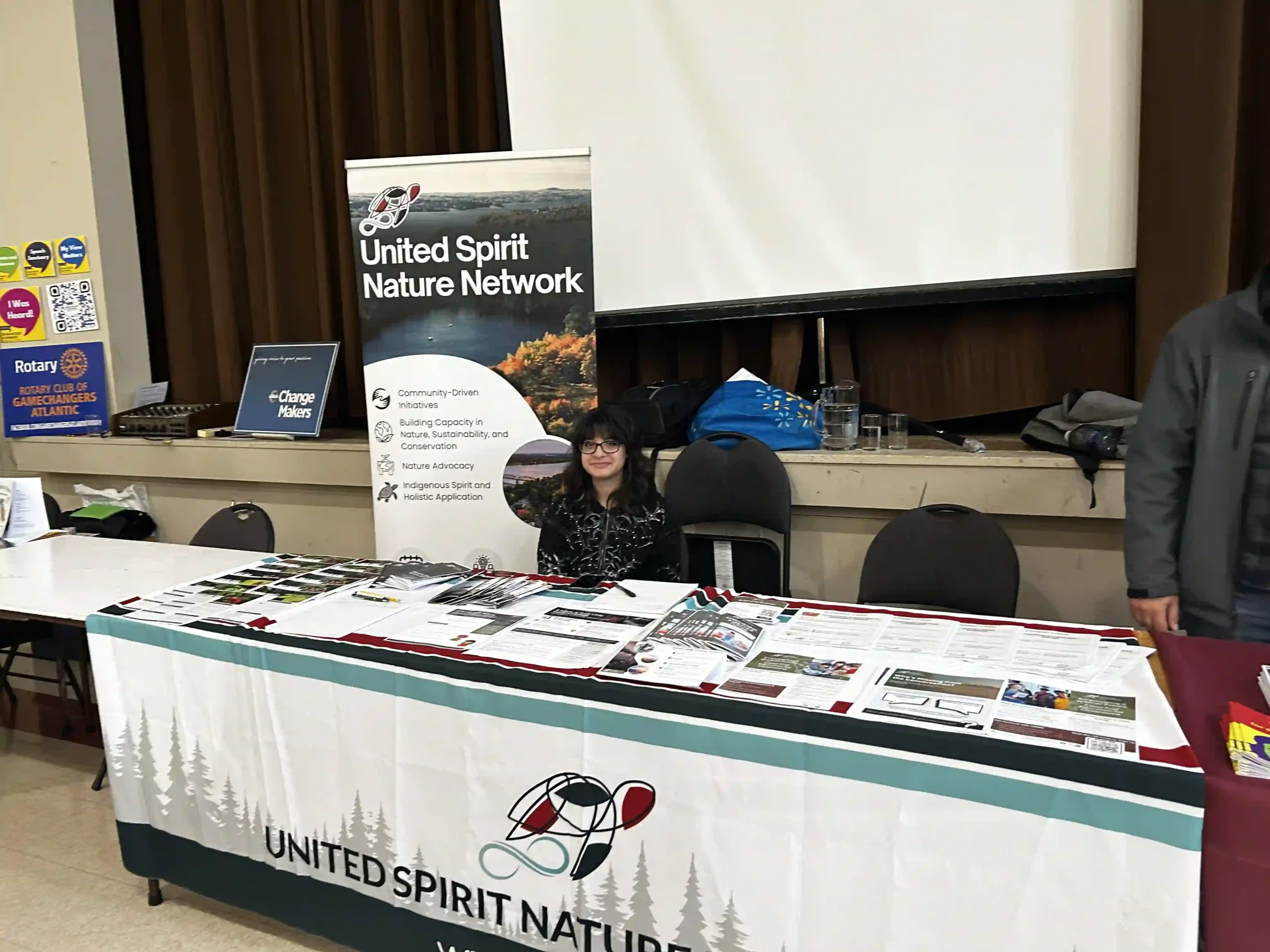
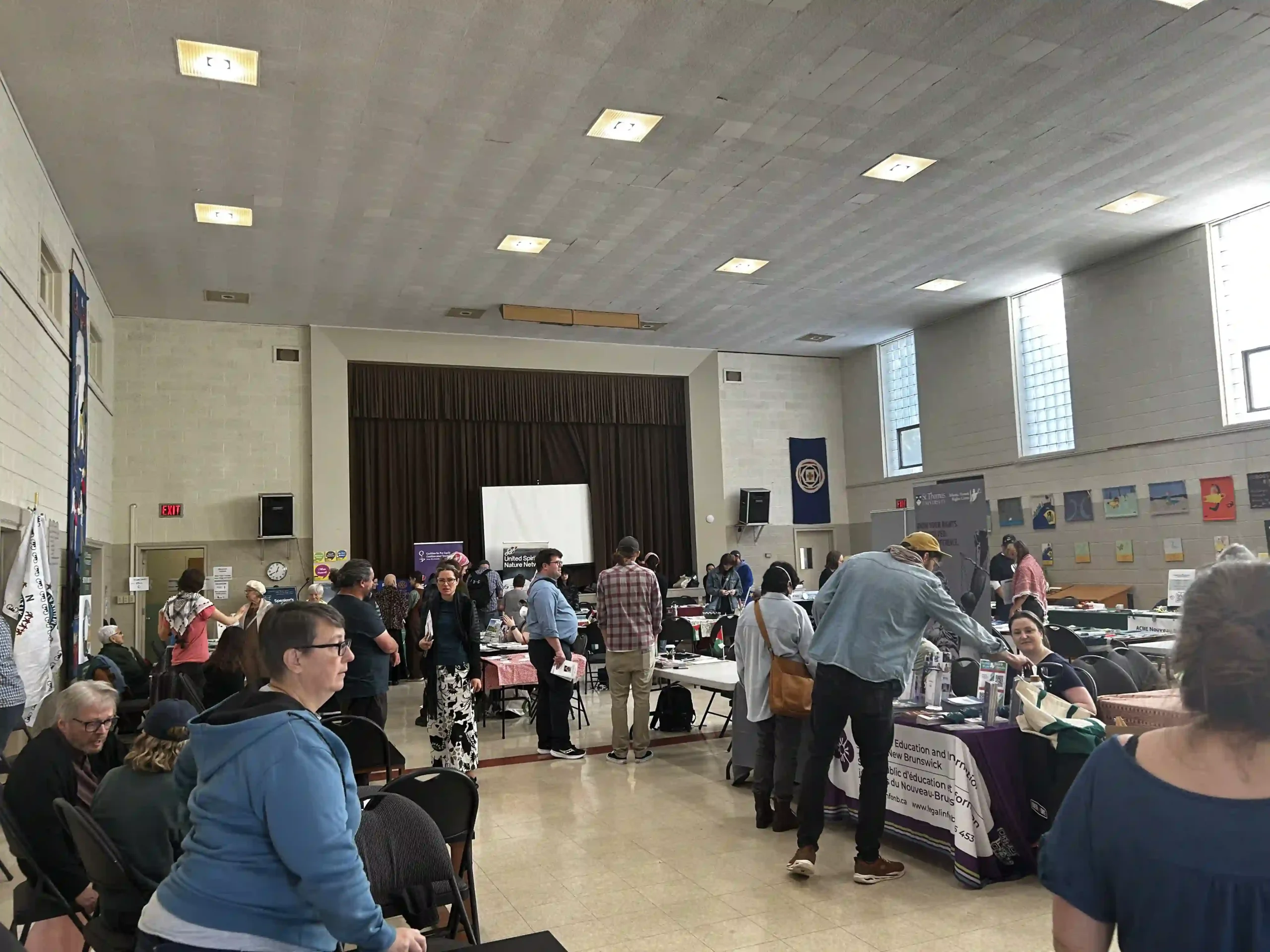
On October 4, 2025, the Christ Church Cathedral didn’t feel like a quiet landmark, it felt like a living crossroads. Inside the main hall, booths formed a wide circle around the space, inviting people to drift, pause, and lean into conversation. Families, students, teachers, activists, and longtime environmental professionals moved like a steady current, curious, open, ready to connect.
Our place in the circle
As USNN’s workshop facilitator and booth lead, my purpose was simple, but powerful: make green energy feel real, human, and reachable, especially through a youth lens. Our table carried that message in a hands-on way; pamphlets, information sheets, and QR codes linking to projects, set up so people could take something with them, not just hear something and forget it. The layout itself became an invitation: this is youth-led, and it’s meant for you.
Conversations that crossed generations
People stopped with the same kind of question in different voices:
- “What does youth environmental work actually look like?”
- “How do young people get involved?”
- “How can I support what you’re doing, and bring it into my community?”
Some of the best conversations felt like bridges, between community members who simply wanted to help, and experienced environmental professionals who were energized by seeing youth leadership take up space confidently. Again and again, the same theme returned: people were hungry for hope that comes with action.
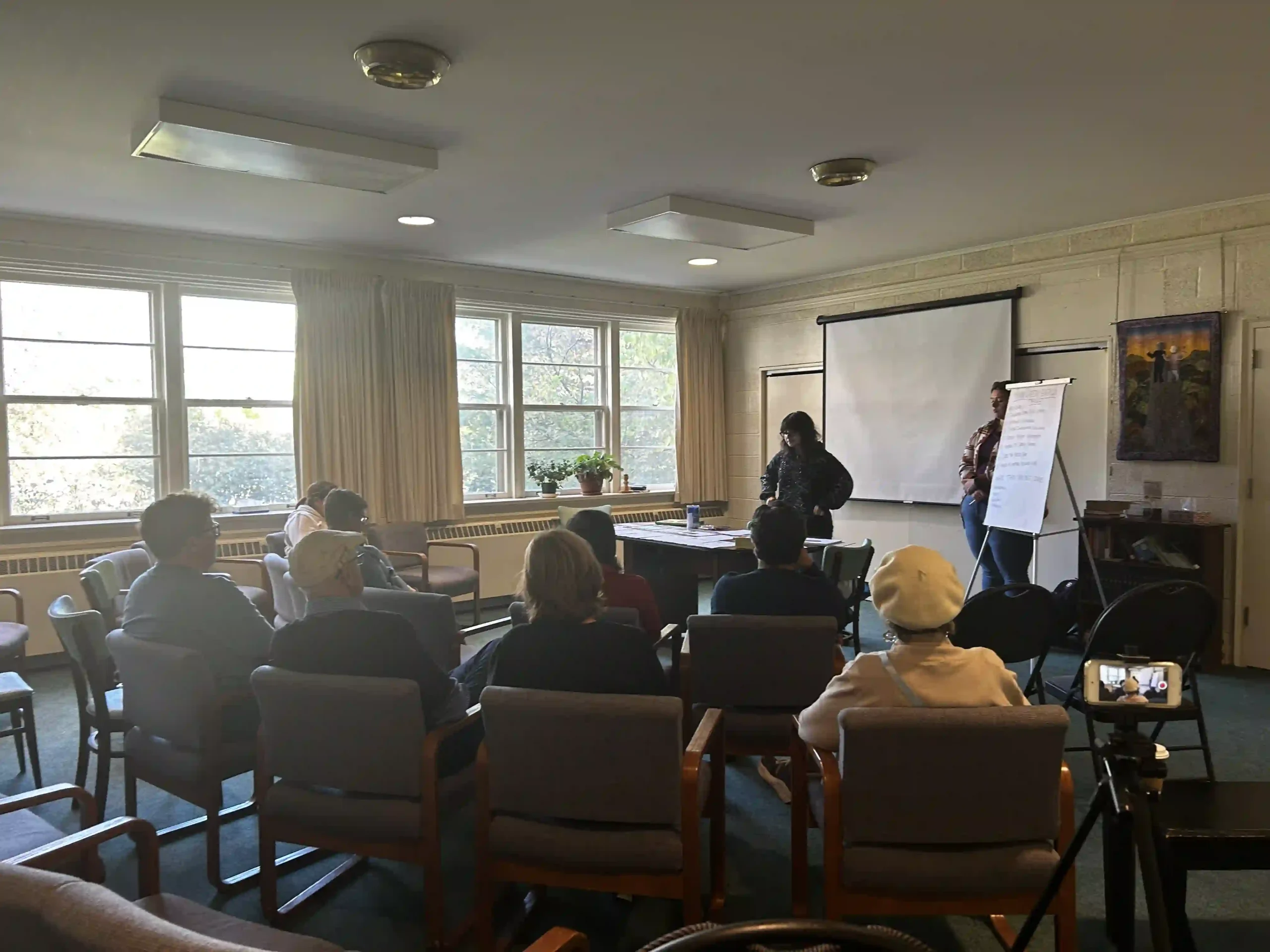
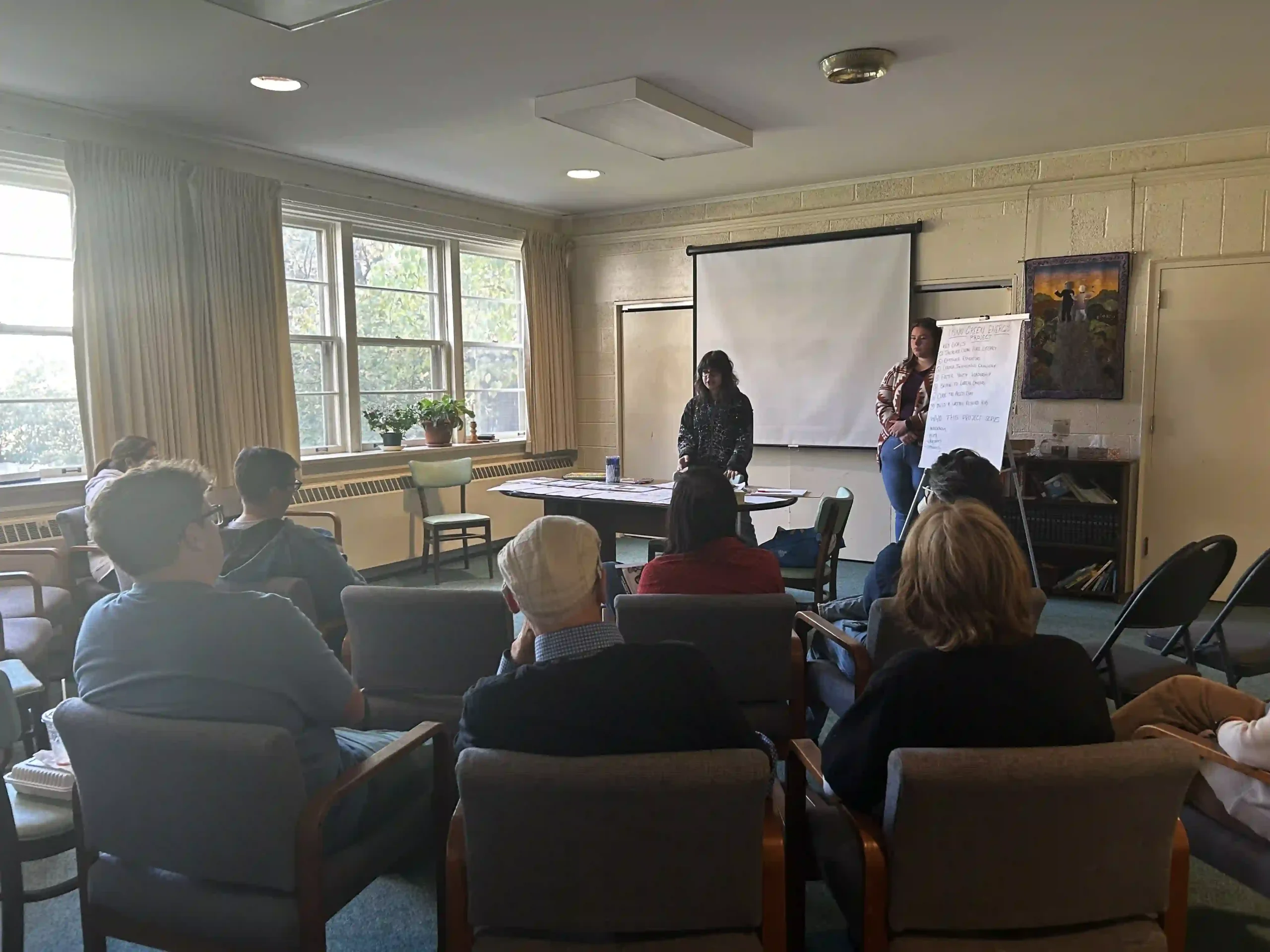
The workshop moment: when the room got quiet in the right way
During the workshop portion, I spoke about a gap many of us feel but don’t always name: environmental education is still treated like an “extra,” not a foundation. Climate change shapes our lives, yet it often sits at the edge of curriculum instead of at the center.
I shared a moment from my own school, when a science teacher explained there wasn’t enough funding for field trips anymore. That stuck with me, because it reveals the contradiction: students are expected to care deeply about nature without being given meaningful ways to experience it. And the easiest approach, slideshows and textbook pages, doesn’t always build the kind of connection that leads to real stewardship.
The truth about teachers and the system behind them
I also spoke about something that deserves compassion and honesty: not every teacher feels equipped to teach climate science or clean energy. When someone doesn’t feel confident, the topic can get rushed, or avoided. The response in the room was immediate: nods, shared stories, recognition. It was clear this wasn’t about blaming teachers; it was about naming a systemic need for training, resources, and support.
That’s where USNN’s work becomes a real tool, not just a message: youth-centered educational materials, workshops, and outreach that strengthen learning from both directions, supporting youth directly while also filling gaps schools may not yet be fully resourced to address.
Questions that helped shape the day
At the booth, I often ran things on my own while Sama connected with others or prepared the workshop activity. Most questions were about our projects, who we serve, what we aim to do, and how our work creates impact. Watching how Sama answered similar questions helped me respond with growing confidence: I explained key projects, the communities they support, and my own role as a young person helping lead and coordinate this work.
During the workshop, I was asked something more personal: how I found my way into environmental action. I shared that it started at home, in a household that valued the natural world. That early relationship with nature shaped my sense of responsibility, and it’s what eventually pulled me toward USNN and the wider climate movement.
What worked and what we can grow next time
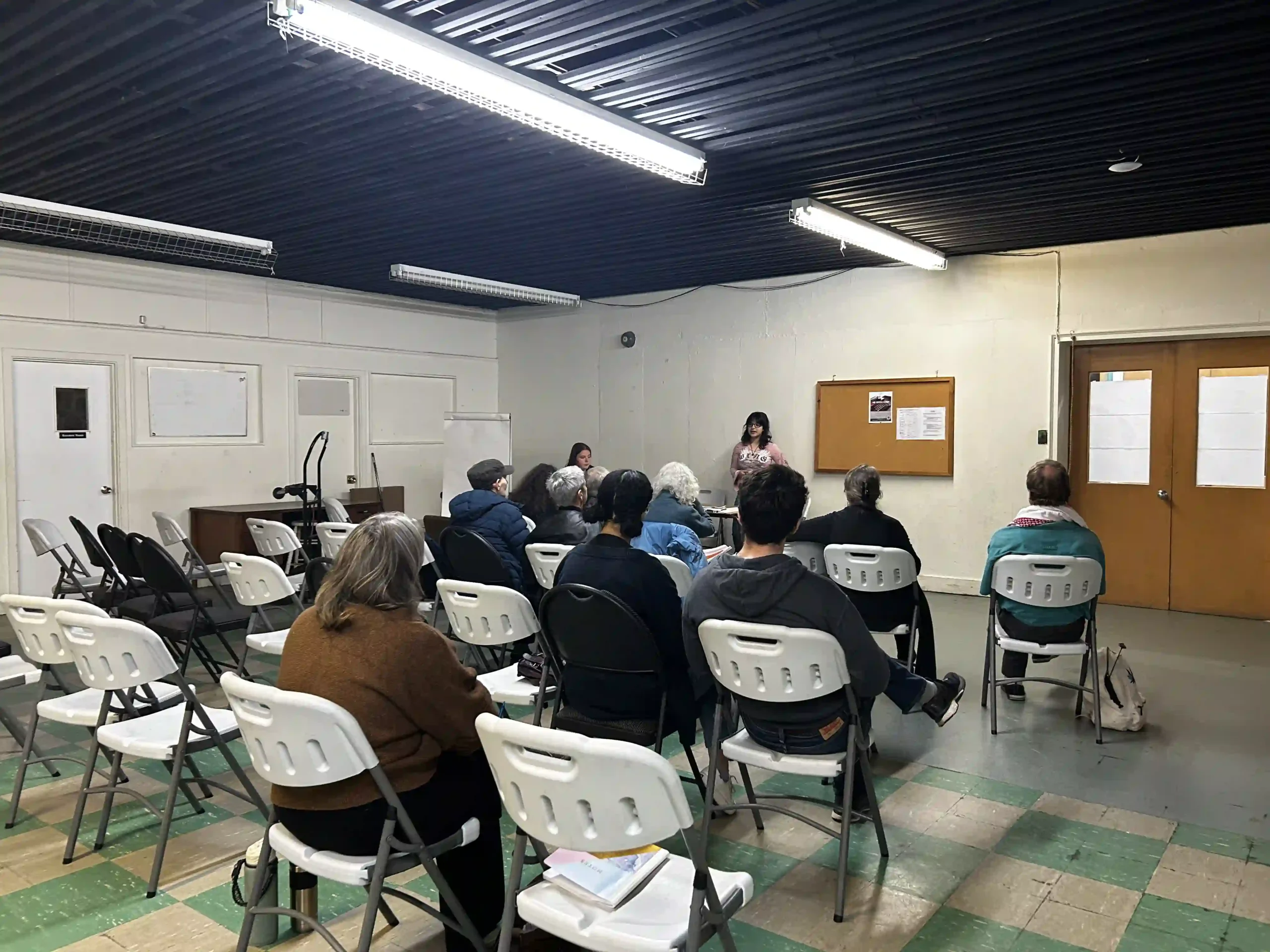
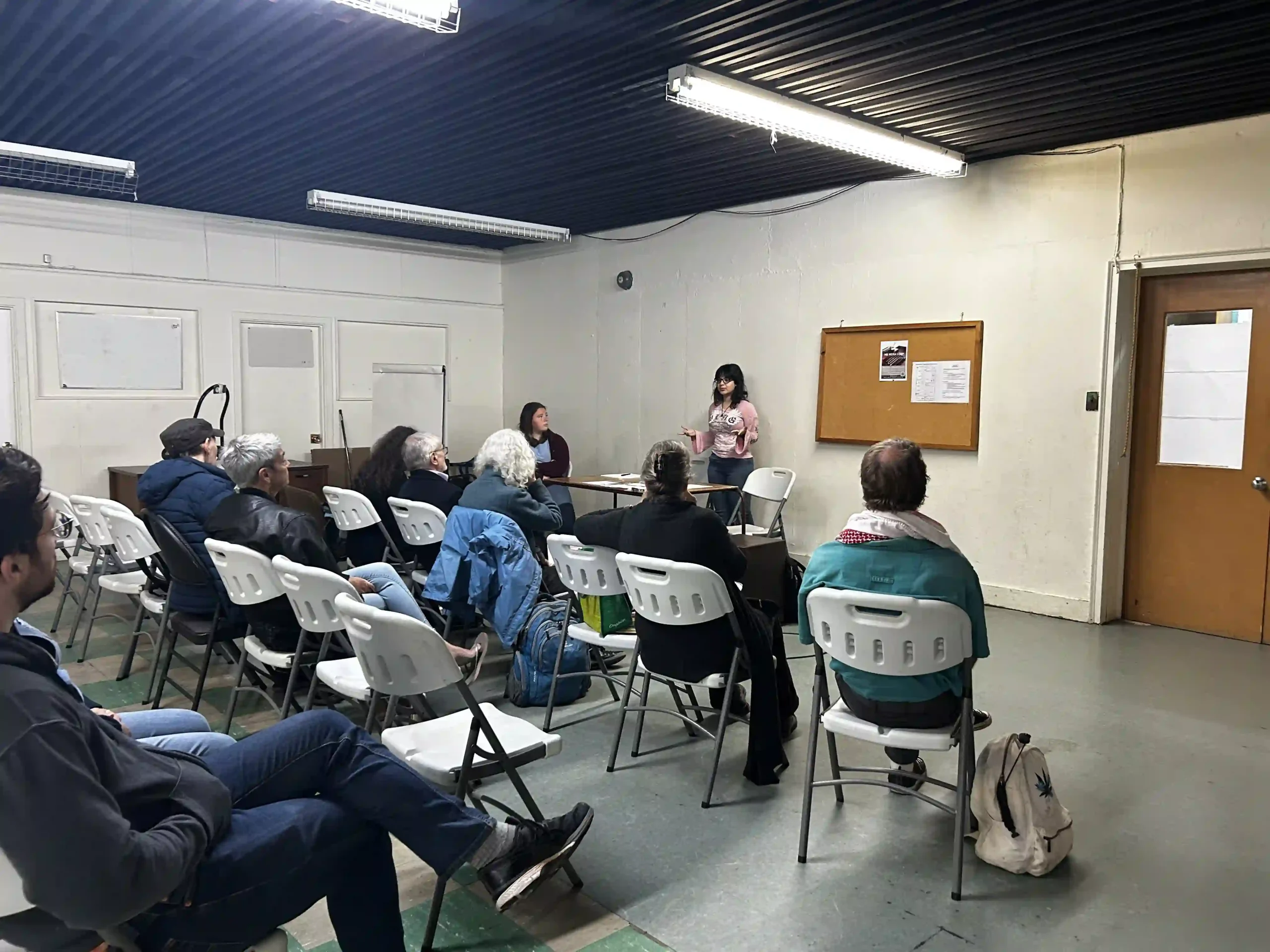
What worked best was the community atmosphere: people arrived ready to talk, ready to collaborate, ready to build. The workshop group, mostly older youth and adults, was comfortable speaking up, which made discussions deeper and more alive.
For next time, the biggest opportunity is scale: strong engagement was there, but attendance could grow. Wider advertising, stronger partnerships with schools and community groups, and incentives to bring new audiences in could expand impact and make the conversations even more diverse and powerful.
Want to collaborate or be part of our work?
USNN’s work is built through partnerships, shared learning, and people who care deeply about land, community, and conservation. If you’re an educator, researcher, community group, student, or organization looking to collaborate, team up, or explore ways to work together, we’d love to hear from you. We’re always open to co-developing programs, supporting land-based learning, contributing ecological expertise, and connecting youth and communities with meaningful conservation experiences.
Reach out via our contact page or email info@usnn.ca to start a conversation. Together, we can strengthen conservation efforts, support the next generation of land stewards, and care for the places that connect us.

Posted by:
Drew Praticante
Newsletter
Latest News