A Morning of Conservation and Connection at the ACCDC Open House
January 13, 2026
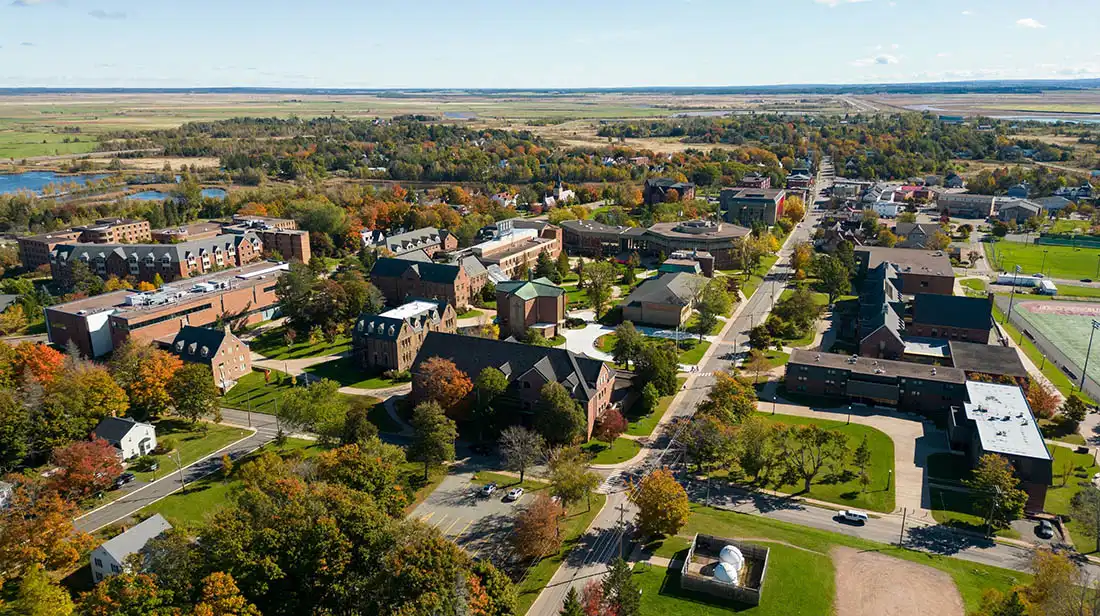
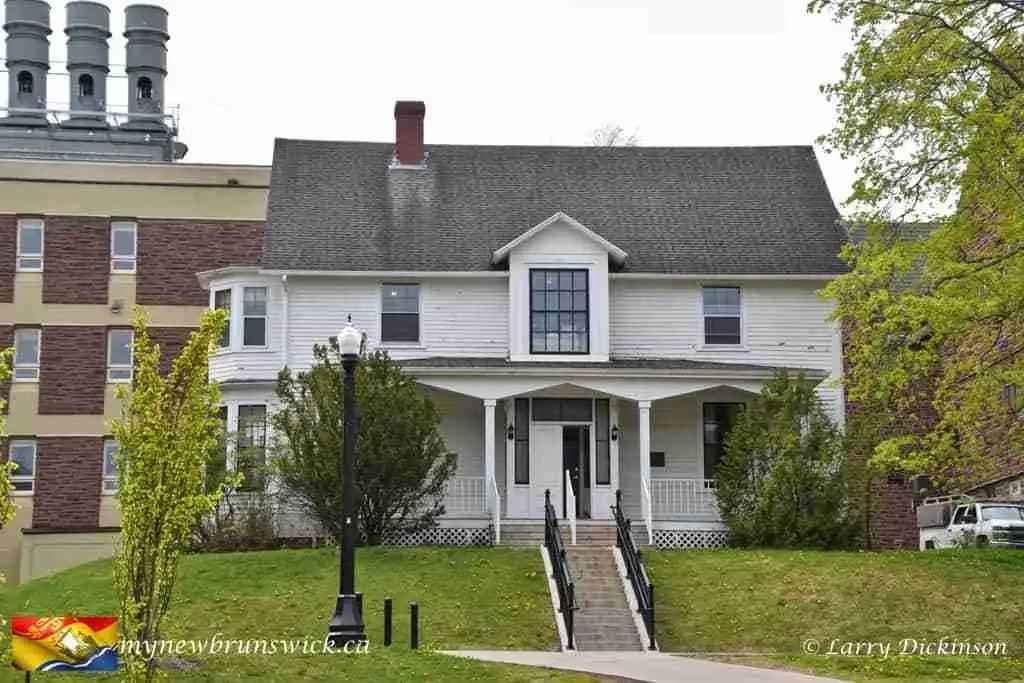
It was a perfect Friday morning to attend the Atlantic Canada Conservation Data Centre (ACCDC) Open House in Sackville, New Brunswick. Returning to Mount Allison University, where I completed my undergraduate degree, felt both nostalgic and grounding. Driving into Sackville reminded me how important community and support have been throughout my career. During my time at Mount A, I was fortunate to be mentored by several incredible individuals who helped shape me as an ecologist, and it was especially meaningful to see some of those familiar faces in attendance at the Open House.
The presentations given by ACCDC staff were both impressive and inspiring. What stood out most was not only the scientific outcomes being shared, but the dedication and persistence required to achieve them. In addition to adding 41,549 rare species records for the Maritimes and 1,971 rare species records for Newfoundland and Labrador, ACCDC also successfully completed several hundred data request orders, many of which were fulfilled under expedited timelines of two business days. This responsiveness highlights the essential role ACCDC plays in supporting time sensitive conservation decisions across Atlantic Canada. Together, this work reflects highly impressive countless hours spent in the field, careful data review, and behind the scenes coordination that often goes unseen but is foundational to effective conservation.
Field Discoveries and the value of Long-Term Monitoring
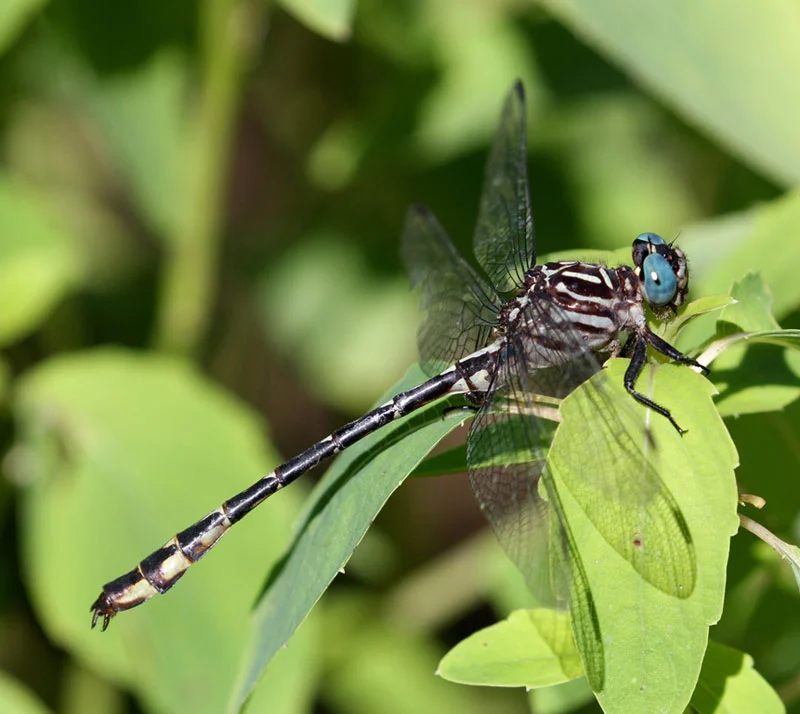
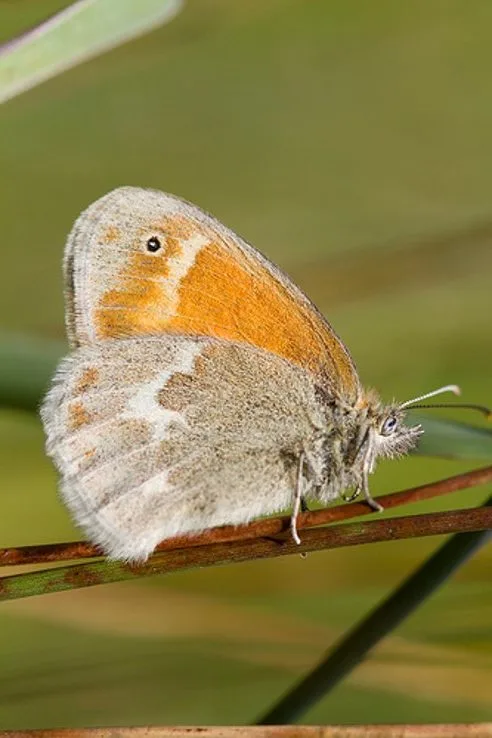
Several talks focused on recent field discoveries that clearly demonstrated the value of sustained monitoring and expertise. Insect surveys resulted in the first confirmed evidence of breeding by the Elusive Clubtail dragonfly (Stylurus notatus) in the Maritimes, as well as three new occurrences of the globally Endangered Maritimes Ringlet butterfly (Coenonympha nipisiquit). Hearing about these findings was a powerful reminder of how much there is still to learn about the species around us, and how patience and long term commitment can lead to meaningful breakthroughs.
Lichen Research and Pride in the Saint John River Valley
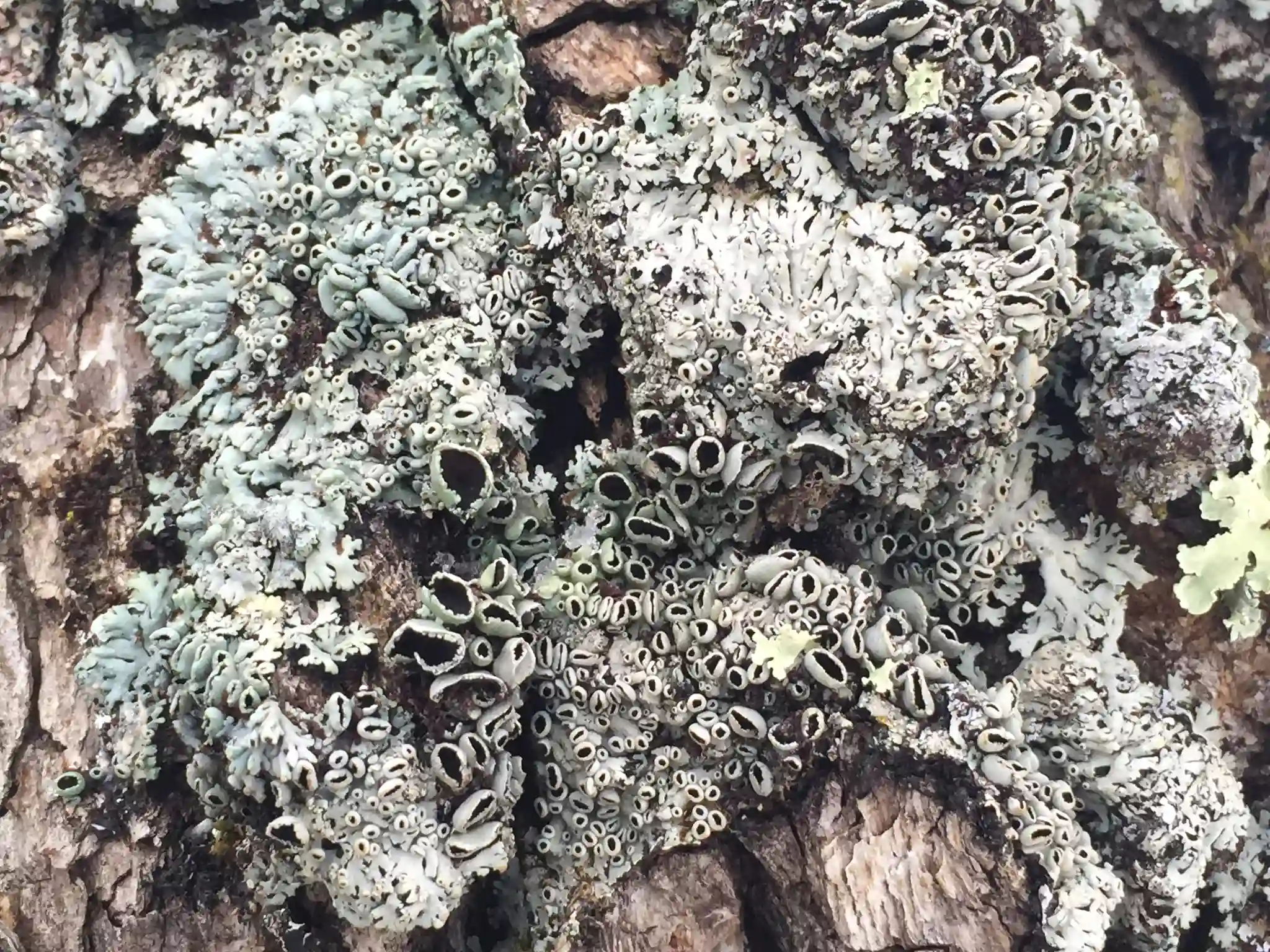
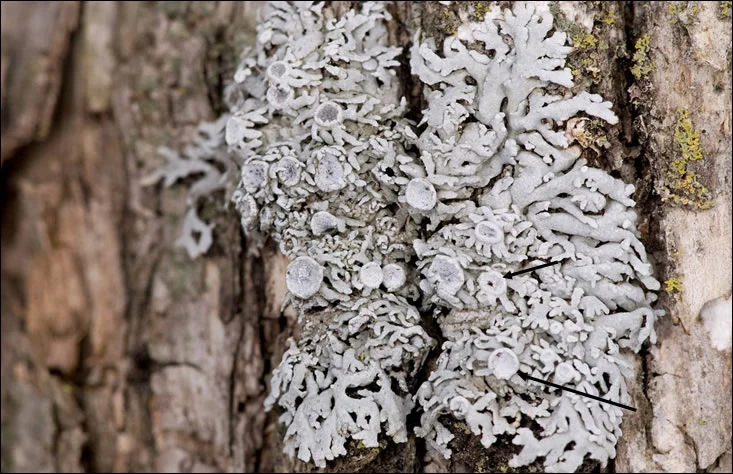
Advances in lichen research were especially meaningful to hear about, as much of this work took place in the Saint John River valley, an area I consider home. I grew up surrounded by this region, and the presenters emphasized how unique the Saint John River valley is in terms of biodiversity. Learning that ACCDC documented eight new occurrences of the nationally Endangered Cupped Fringe Lichen (Heterodermia leucomelos) and Pale-bellied Frost Lichen (Physconia subpallida) in an area where only three occurrences were previously known was both striking and affirming. These presentations reinforced my pride in calling this region home and strengthened my motivation to support future conservation efforts focused within the Saint John River valley.
In addition, ACCDC has documented 153 new provincial vascular plant species since 2020, contributing to the 2025 General Status of Wildlife rankings for the Maritime provinces. This work reflects how our understanding of regional biodiversity continues to grow and evolve, and how essential it is to have organizations committed to tracking and sharing that knowledge.
Connection, Collaboration, and Conservation Culture
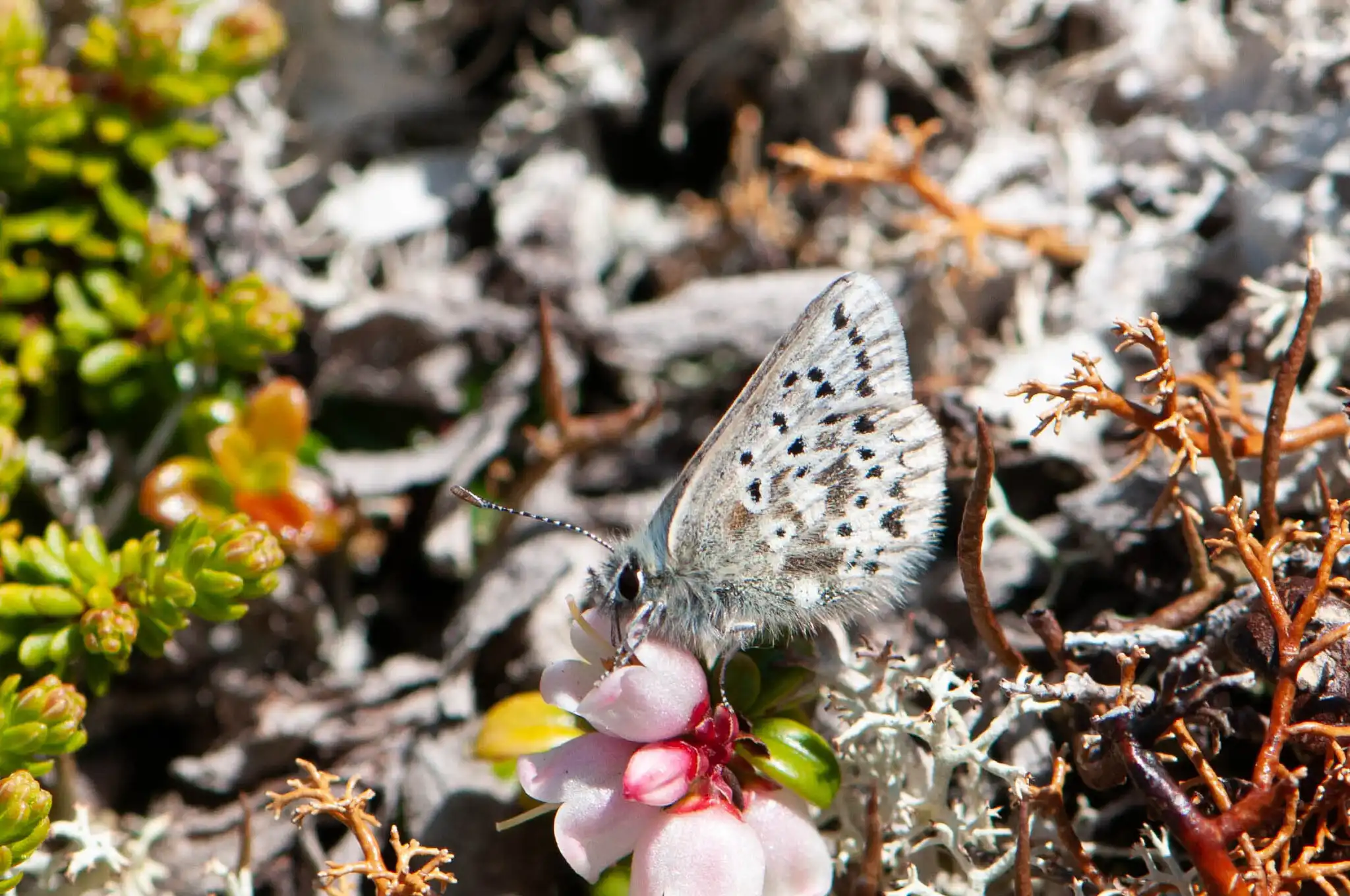
The Open House also included an interactive photo contest, which added a fun and engaging element to the morning. Attendees were invited to vote on submitted photographs, creating opportunities for conversation and connection around shared appreciation for biodiversity. The winning photograph, an image of an Arctic Blue Moth taken by John Klymko, was a standout and a reminder of how powerful visual storytelling can be in fostering interest and care for conservation work.
Beyond the presentations themselves, the opportunity to connect with people throughout the morning was incredibly valuable. The conversations, shared experiences, and collective enthusiasm in the room reinforced how collaborative and supportive the conservation community in Sackville continues to be. The Open House served as a reminder that conservation is not only about data and discoveries, but also about people, mentorship, and shared purpose.
Reflections and Renewed Motivation for Conservation
Overall, attending the ACCDC Open House was both affirming and motivating. It reinforced my appreciation for the passion and hard work that goes into conservation science, and it highlighted how important continued support for organizations like ACCDC is in protecting biodiversity across Atlantic Canada. Being back in a place that played such a formative role in my own journey made the experience all the more meaningful.
Want to collaborate or be part of our work?
USNN’s work is built through partnerships, shared learning, and people who care deeply about land, community, and conservation. If you’re an educator, researcher, community group, student, or organization looking to collaborate, team up, or explore ways to work together, we’d love to hear from you. We’re always open to co-developing programs, supporting land-based learning, contributing ecological expertise, and connecting youth and communities with meaningful conservation experiences.
Reach out via our contact page or email info@usnn.ca to start a conversation. Together, we can strengthen conservation efforts, support the next generation of land stewards, and care for the places that connect us.

Posted by:
Mackenzie Warman
Newsletter
Latest News