Growing Through Change: Leadership Lessons from a Forest in Transition
October 31, 2026
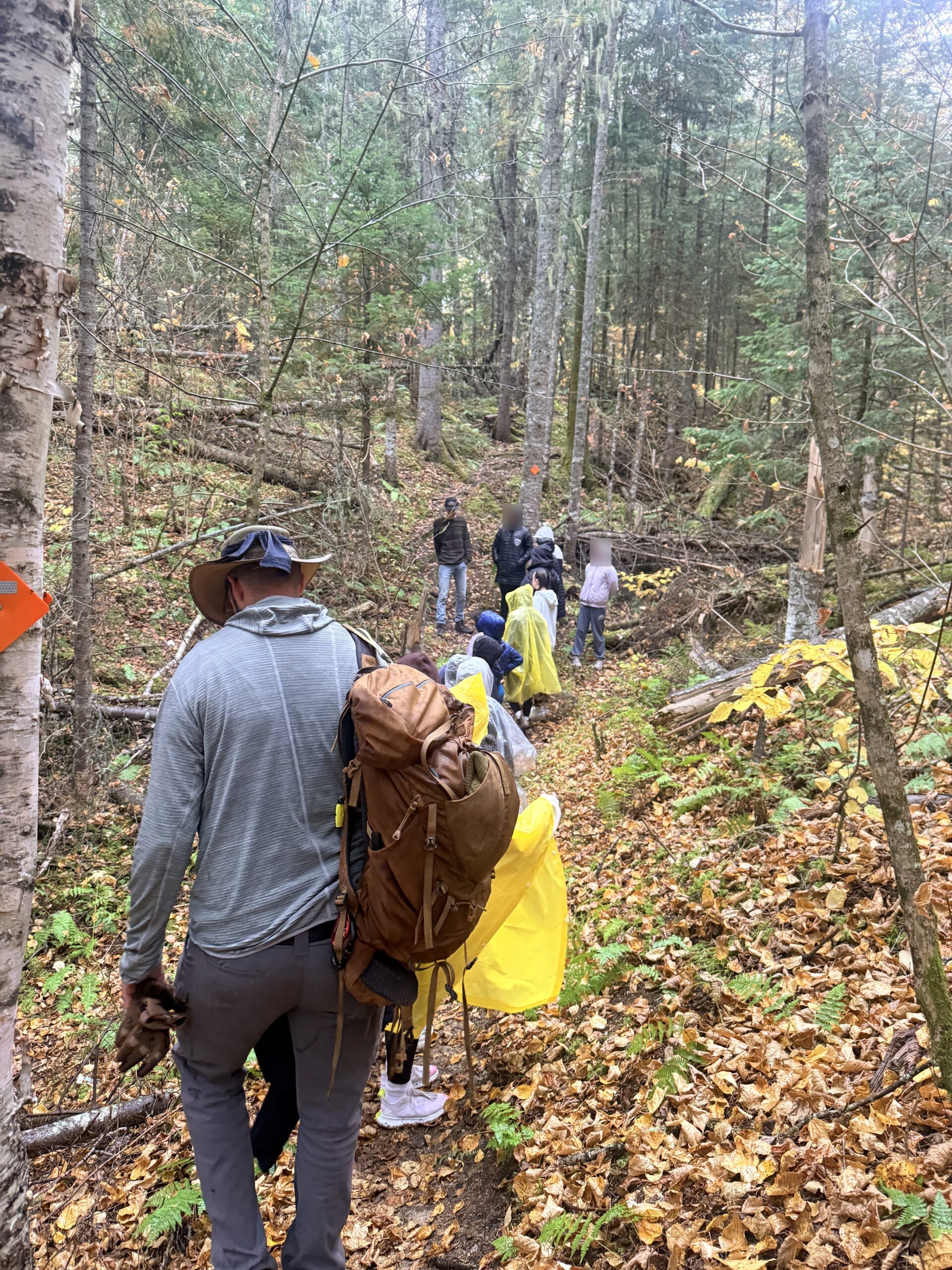
A Forest in Transition guided hike at Mount Carleton Provincial Park
By United Spirit Nature Network | October 2, 2025
Sometimes a meaningful day begins with a carefully written plan. Sometimes it begins with a conversation, a new connection, and the courage to ask, “Could we join you?”
While sharing USNN’s Trails for Tomorrow project with Anglophone North School District, I learned that a Grade 8 girls’ leadership class from Max Aitken Academy would be camping at Mount Carleton Provincial Park. One connection led to another. I reached out to Parks NB and asked whether USNN and our forestry technician intern, Benjamin Colins, might join the students for a day and offer our guided hike, Forest in Transition.
The answer was yes. That simple yes became a reminder of what relationships can make possible. A school trip became a partnership. A trail became a place where forestry, ecology, leadership, curiosity, and care for the land could meet.
A Moist Day Full of Life
October 2 arrived cool and moist. Leaves shone with rain. Mosses held the water like small green sponges, and every fallen branch seemed to carry another story. Wet weather could have narrowed the day, but it did the opposite. The students stepped onto the trail ready to notice, question, touch, smell, and learn.
At first, a walk in the forest begins with wonder. Then, almost without anyone announcing it, the forest shapes itself into a classroom. Its lessons do not sit in rows. They wait under a turning leaf, inside a bubble of balsam fir resin, in the fine differences between a fern and a moss, and in the dark layers of soil beneath our boots.
This was the heart of Forest in Transition: learning to see change not as a single dramatic event, but as a constant rhythm. Autumn made that rhythm visible. Leaves were letting go. Fungi were turning old material into new possibility. Living trees stood beside fallen wood that still sheltered insects, stored moisture, and returned nutrients to the soil. In the forest, death is not an ending separated from life. It is part of how life continues.
Curiosity Led the Way
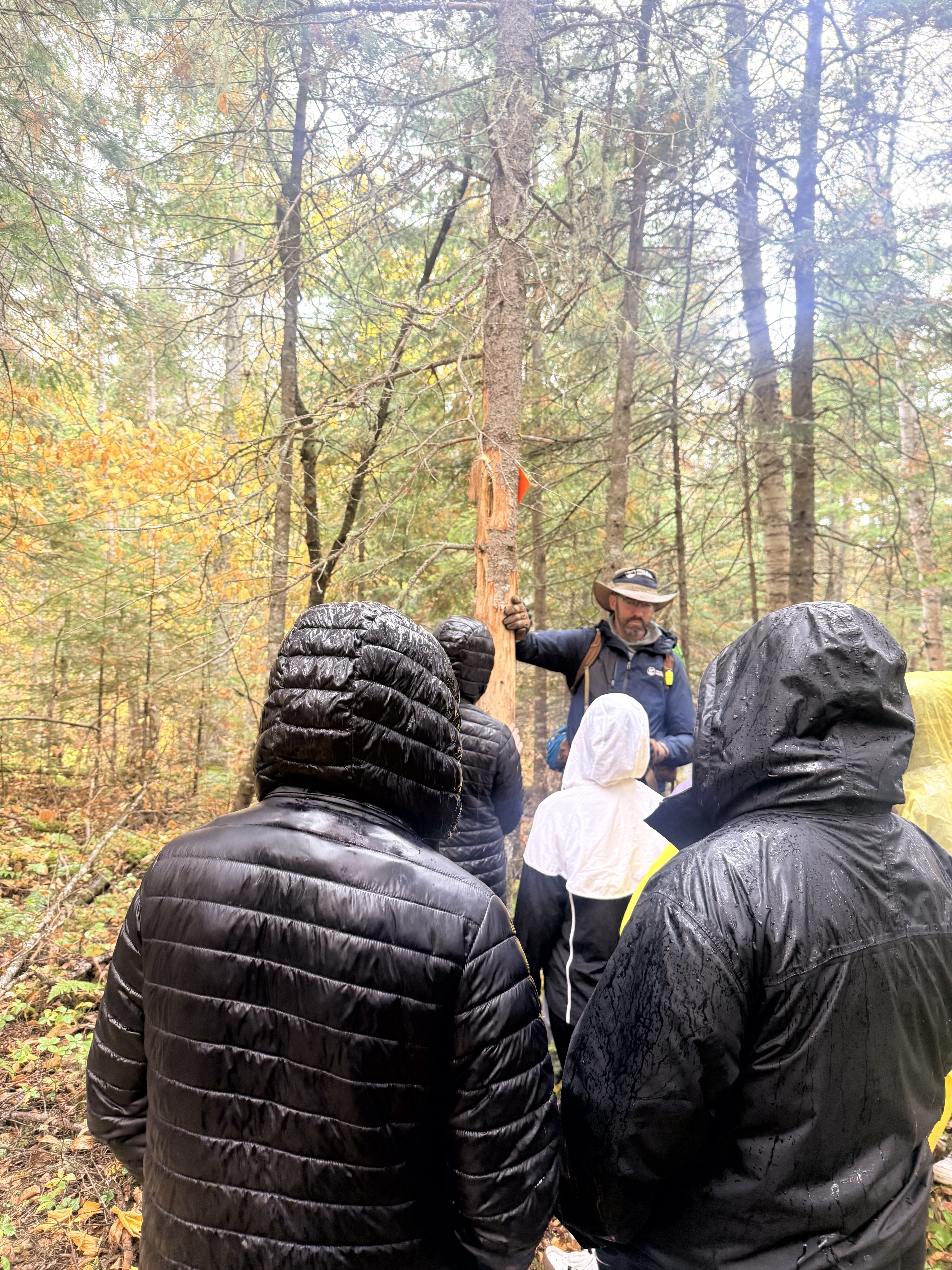
Benjamin began with practical forestry skills. Students learned how a clinometer can help estimate the height of a tree. They practised plant identification and looked closely at the characteristics that distinguish one species from another. The tools mattered, but the questions mattered even more.
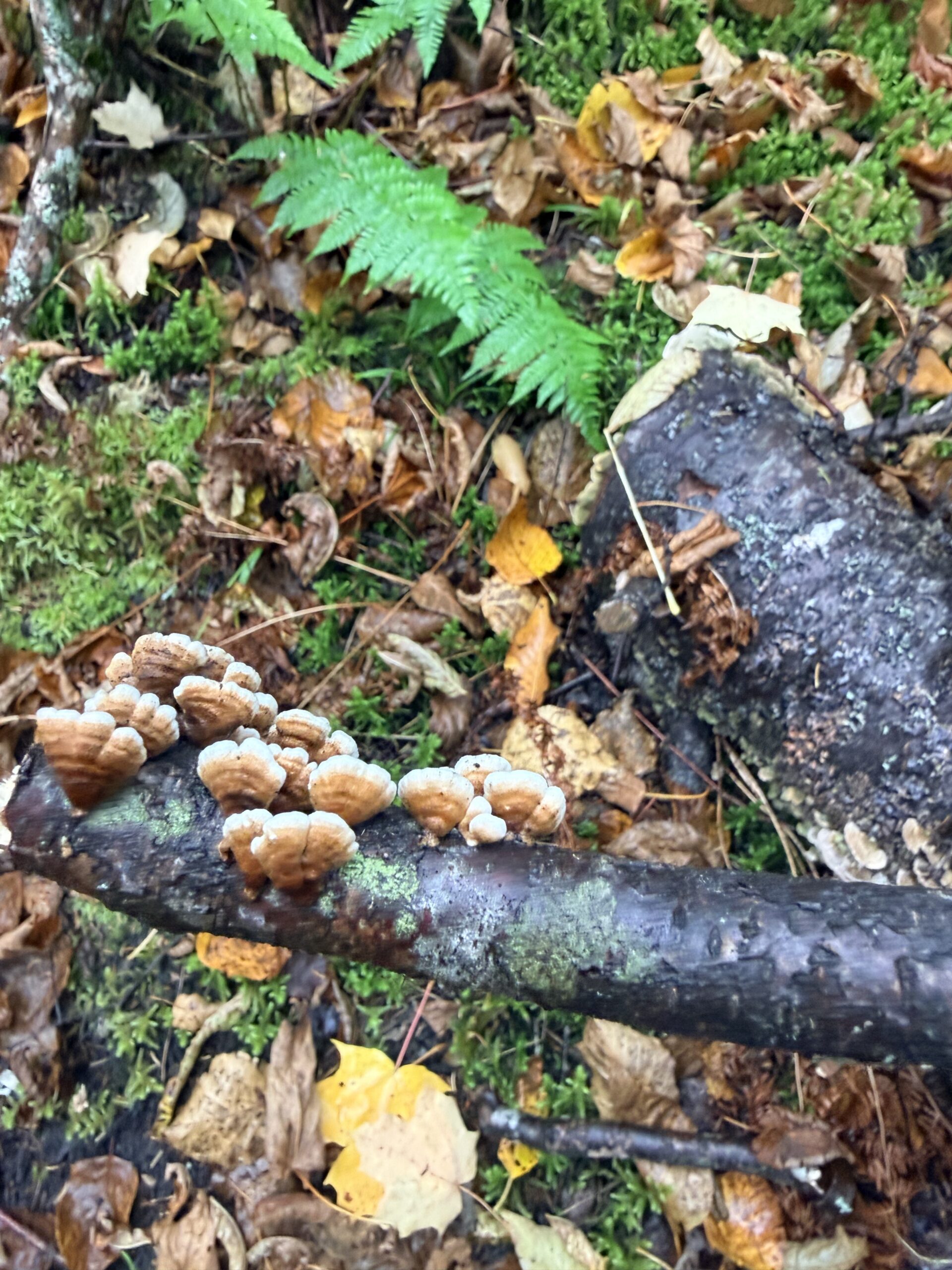
Mushrooms appeared along the route, including puffballs that release a small cloud of spores when touched. An edible plant offered a memorable taste of the forest under expert guidance. Sight, touch, smell, and taste became pathways into learning. As Benjamin observed, using all our senses can hold attention and help us recognize individual plants more carefully.
A balsam fir offered another lesson. The small resin blisters on its bark are part of the tree’s defence against insect damage. Ferns and mosses opened a conversation about structure, growth, and the details we use to identify plants. Then one student noticed that the soil itself had layers. Her keen observation carried the group, briefly and joyfully, into soil science.
“A very advanced topic brought on by curiosity and a keen eye for exploration.”
— Benjamin Colins, USNN forestry technician intern
That moment captured the spirit of the whole hike. Good outdoor learning does not rush past a student’s observation to finish a lesson plan. It pauses. It follows the question. It allows the learner to help choose the next doorway.
What the Forest Teaches About Leadership
These were leadership students, and the forest had leadership lessons ready for them. A healthy forest does not depend on one species doing everything. It depends on relationships: roots and fungi exchanging resources, dead wood feeding soil, insects pollinating plants, and layers of vegetation creating shelter. Biodiversity is not simply a count of species. It is a network of roles, responses, and relationships that helps a forest remain resilient.
The students’ own curiosity mirrored that diversity. One question led to tree measurement. Another led to plant defence. A careful glance at the ground led to soil horizons. Leadership can work the same way: notice what others miss, make room for different strengths, and understand that a group becomes more resilient when every person has a meaningful place.
Learning With the Land
Autumn was an especially meaningful season for this walk. The Wabanaki Collection’s Circle of Learning associates the west and autumn with adulthood, maturity, self-reflection, and the work of seeking balance in mind, body, and spirit. Its teaching of All My Relations calls people to give thanks for Creation, to recognize kinship with the living world, and to approach the forest with respect, an open mind, love, and compassion.
Those teachings are not ours to simplify or claim. They invite us to listen with humility and to recognize that learning on this land carries responsibilities. I also found myself reflecting on values shared through the Seven Sacred Teachings in many Indigenous communities: love, respect, courage, honesty, wisdom, humility, and truth. Traditions and interpretations differ by Nation, yet the walk offered a practical space to consider what these values can ask of us.
Love can look like paying close attention. Respect can mean leaving a plant rooted after we study it. Courage can be asking a question when we are unsure. Honesty is admitting what we do not yet know. Wisdom grows when knowledge changes how we act. Humility reminds us that a forest is more than we can understand in one visit. Truth asks us to see both the beauty of the forest and the pressures it faces.
For USNN, respectful land-based learning also means seeking guidance and building relationships with Indigenous educators and knowledge holders. It means treating Indigenous knowledge as living, place-based knowledge carried by peoples and communities, not as a collection of inspiring phrases to borrow.
Wonder Comes With Responsibility
To uncover the mysteries of the land, we do not need to take the land apart. We can look closely, move gently, and leave room for the next learner and for the life already there. Leave No Trace gives hikers a practical framework: plan ahead, stay on durable surfaces and established trails, carry out what you carry in, leave natural and cultural objects where they belong, minimize fire impacts, respect wildlife, and be considerate of others.
On a learning hike, these practices become part of the lesson. We photograph more than we collect. We observe wildlife from a respectful distance. We do not taste unknown plants; any tasting happens only with a knowledgeable guide and clear identification. We clean soil and seeds from footwear to avoid moving invasive species. We make our curiosity careful.
Perhaps that is one of the forest’s most generous teachings: discovery and care are not opposites. The more we learn, the more capable we become of protecting what we love.
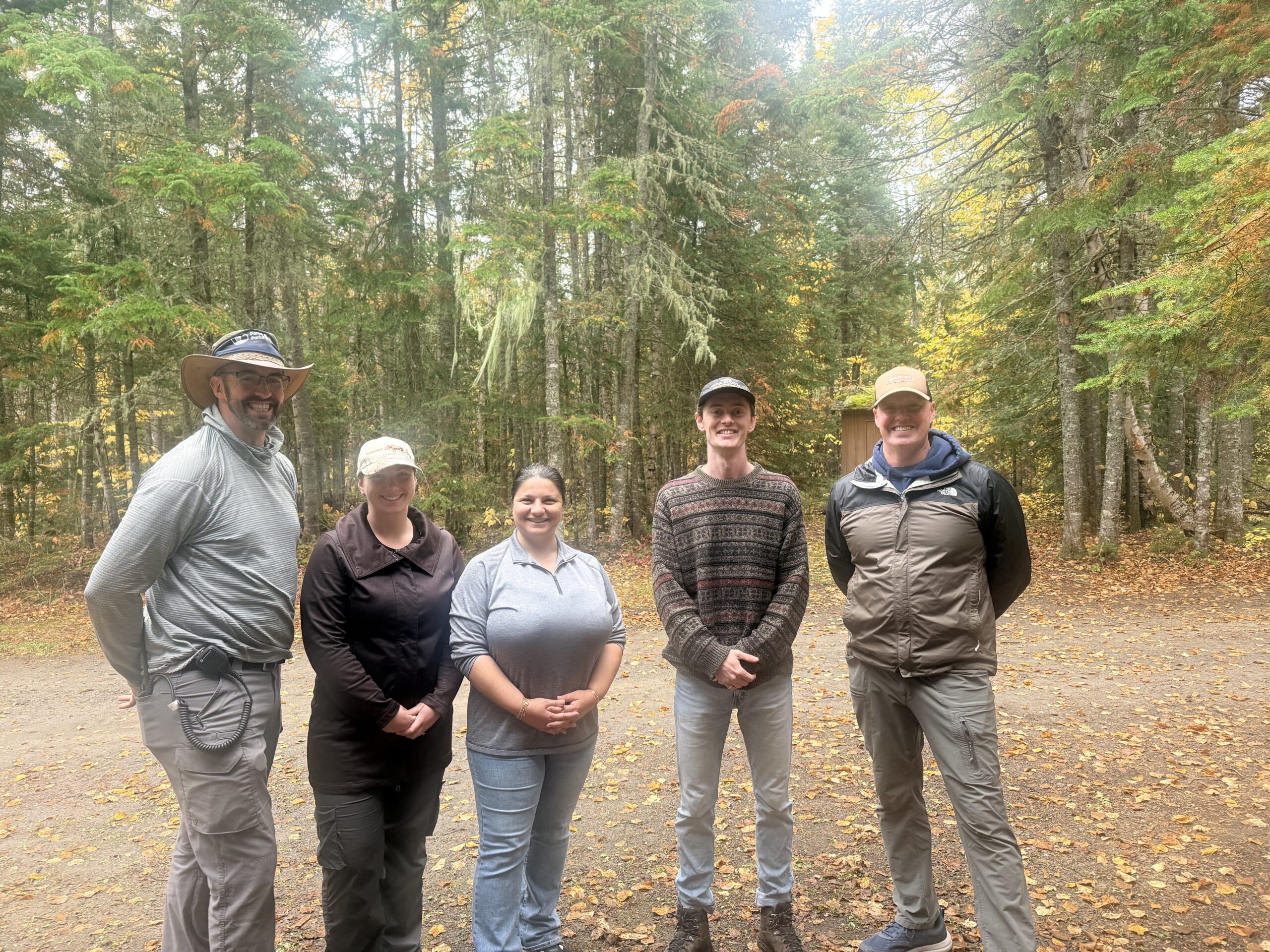
A Promise to Come Back
Two and a half hours passed quickly. We finished with more thirst to learn and more knowledge still waiting to be revealed. The students had brought energy to the trail, but they also brought something the forest always rewards: attention. Their questions made the day richer for everyone.
We left Mount Carleton with gratitude for Parks NB, Anglophone North School District, Max Aitken Academy, the educators who created space for this experience, and the students who met a wet October morning with curiosity and joy. We are grateful to Wildlife Habitat Canada, whose support makes Trails for Tomorrow possible.
Most of all, we left with a bigger promise: to return, to keep learning, and to create more opportunities for young people to meet the land as teacher, relation, and responsibility.
The future of our forests will not be shaped by knowledge alone. It will be shaped by relationships: between people and place, schools and community partners, science and lived experience, curiosity and care. Every trail can become a classroom. Every question can become a beginning. And every beginning carries an invitation: learn from the land, leave it with gratitude, and return ready to give something back.
Trails for Tomorrow welcomes schools, educators, families, and community organizations who want to explore New Brunswick’s ecosystems through guided, respectful, and hands-on learning. To learn more or discuss a partnership, visit USNN’s Trails for Tomorrow page or contact info@usnn.ca
Sources and Acknowledgements
- USNN Trails for Tomorrow: https://usnn.ca/projects/trails-for-tomorrow/
- Wabanaki Collection Teacher Curriculum Handbook: https://www.wabanakicollection.com/wp-content/uploads/2018/02/Teacher-Curriculum-Handbook.pdf
- Anglophone North School District Mount Carleton story: https://asdn.nbed.ca/news/maa-student-leaders-mount-carleton-adventure/
- Mount Carleton Provincial Park: https://www.nbparks.ca/en/parks/mount-carleton-provincial-park
- Wildlife Habitat Canada Community Conservation Action Program: https://whc.org/grants/ccap/
- Leave No Trace Canada: https://leavenotrace.ca/
Want to collaborate or be part of our work?
USNN’s work is built through partnerships, shared learning, and people who care deeply about land, community, and conservation. If you’re an educator, researcher, community group, student, or organization looking to collaborate, team up, or explore ways to work together, we’d love to hear from you. We’re always open to co-developing programs, supporting land-based learning, contributing ecological expertise, and connecting youth and communities with meaningful conservation experiences.
Reach out via our contact page or email info@usnn.ca to start a conversation. Together, we can strengthen conservation efforts, support the next generation of land stewards, and care for the places that connect us.

Posted by:
Sama AlMaarofi
Newsletter
Latest News