Climate Action Youth Forum: A Workshop Story from the Floor
January 28, 2026
Written by Masah Douabul, USNN Youth Engagement Co-ordinator
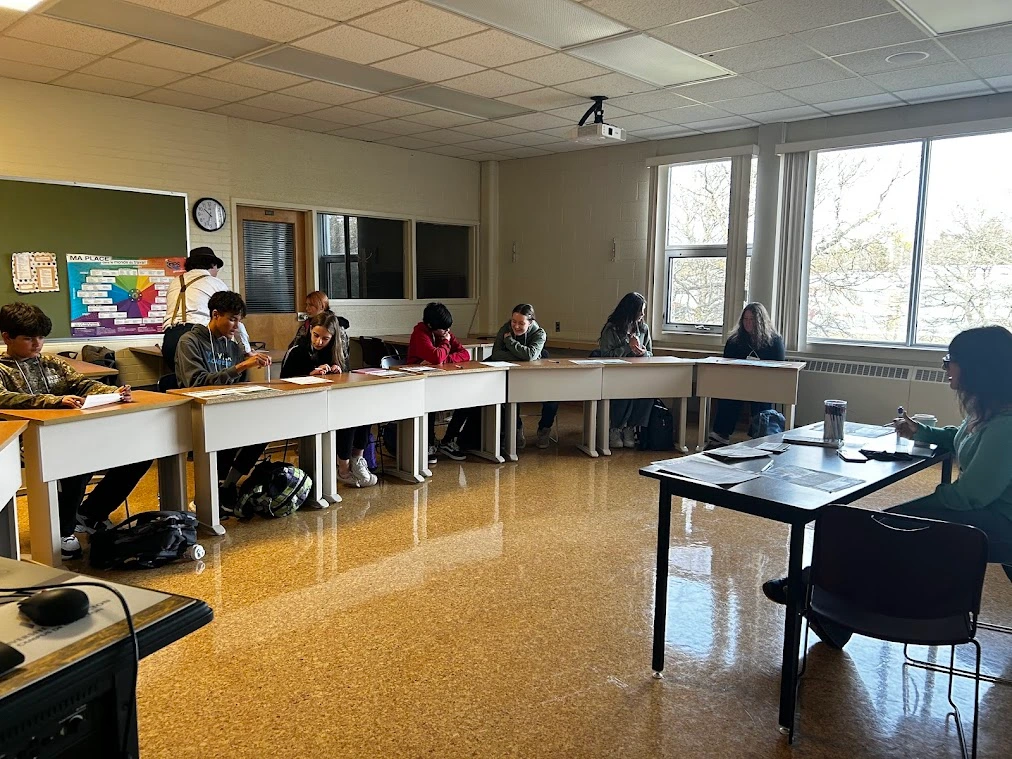
On October 29, 2025, I walked into the University of Moncton carrying a familiar mix of nerves and excitement, the kind you get when you know you’re about to meet young people who haven’t decided yet whether climate conversations feel empowering… or exhausting. I was there as a USNN workshop facilitator for the Climate Action Youth Forum, ready to turn “green energy” from a buzzword into something students could actually use.
The spark: one question, many worlds
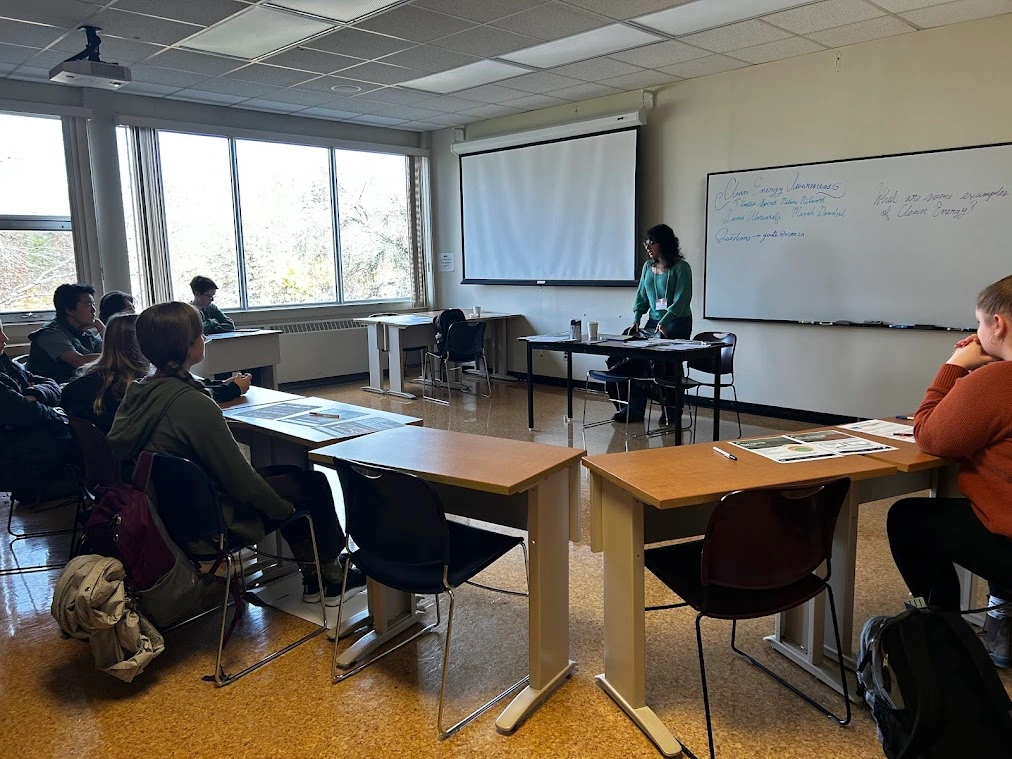
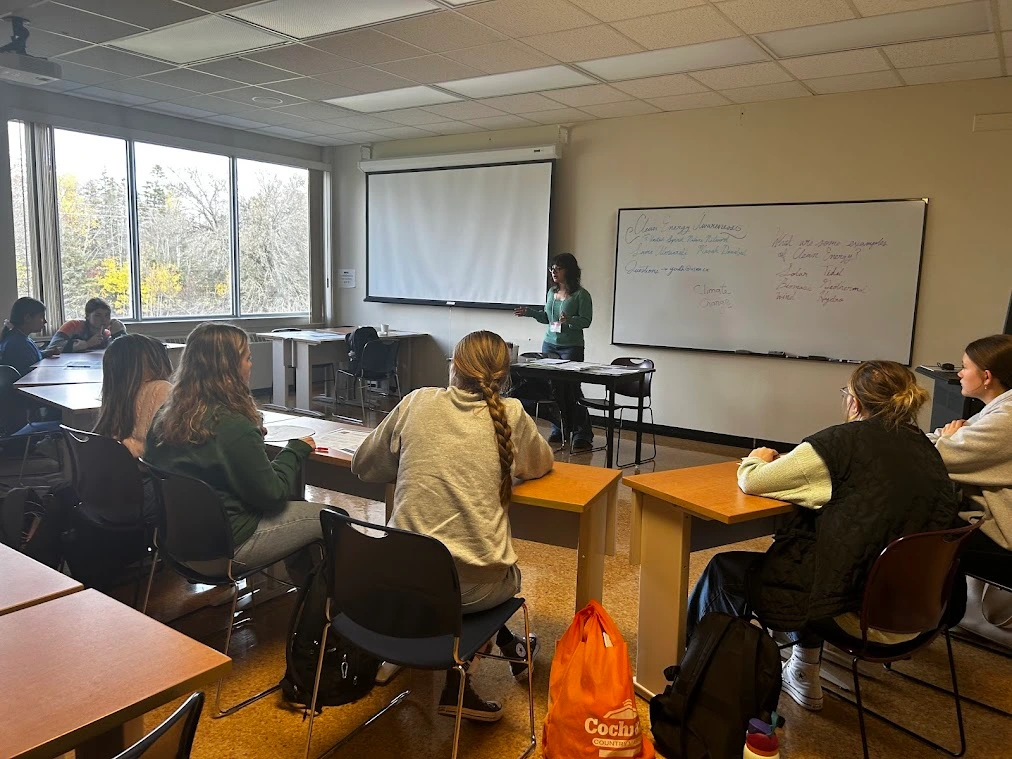
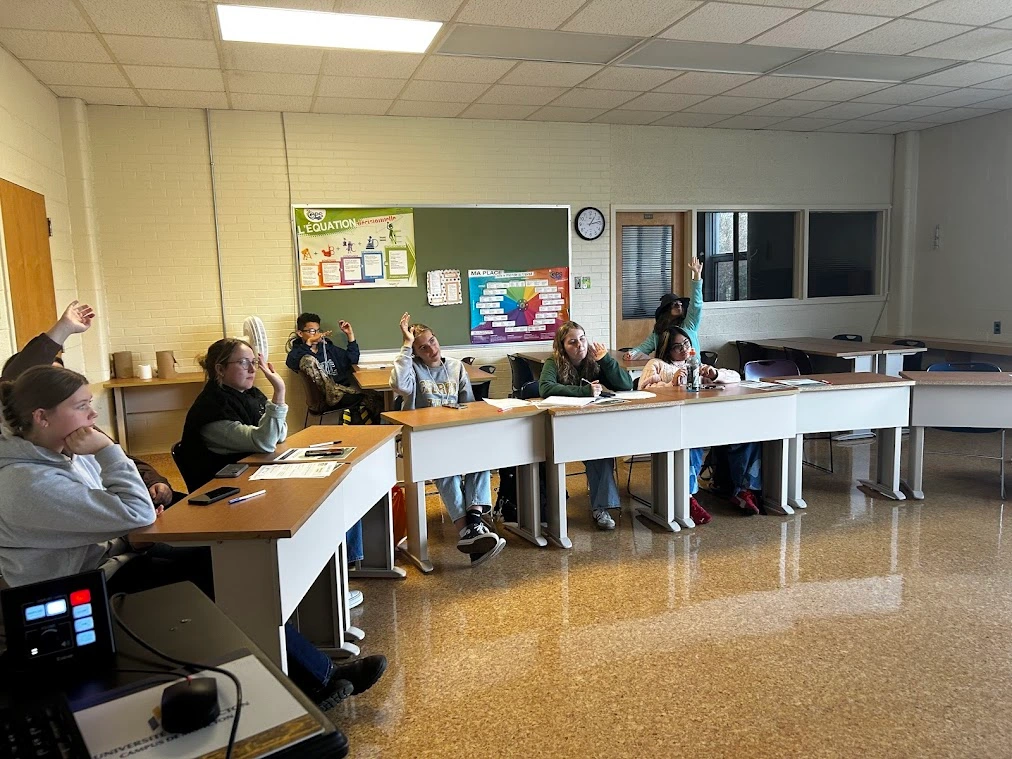
We opened the same way each time: introductions, a quick grounding moment, and then a simple question tossed into the room like a match: “What kinds of green energy do you know?”
Hands went up. Ideas rolled out, some confident, some uncertain, some half-formed, but brilliant. We shaped their answers together, defining terms and expanding meaning, not by lecturing, but by building a shared map from what they already carried in their minds.
The work: real-life choices, not “right answers”
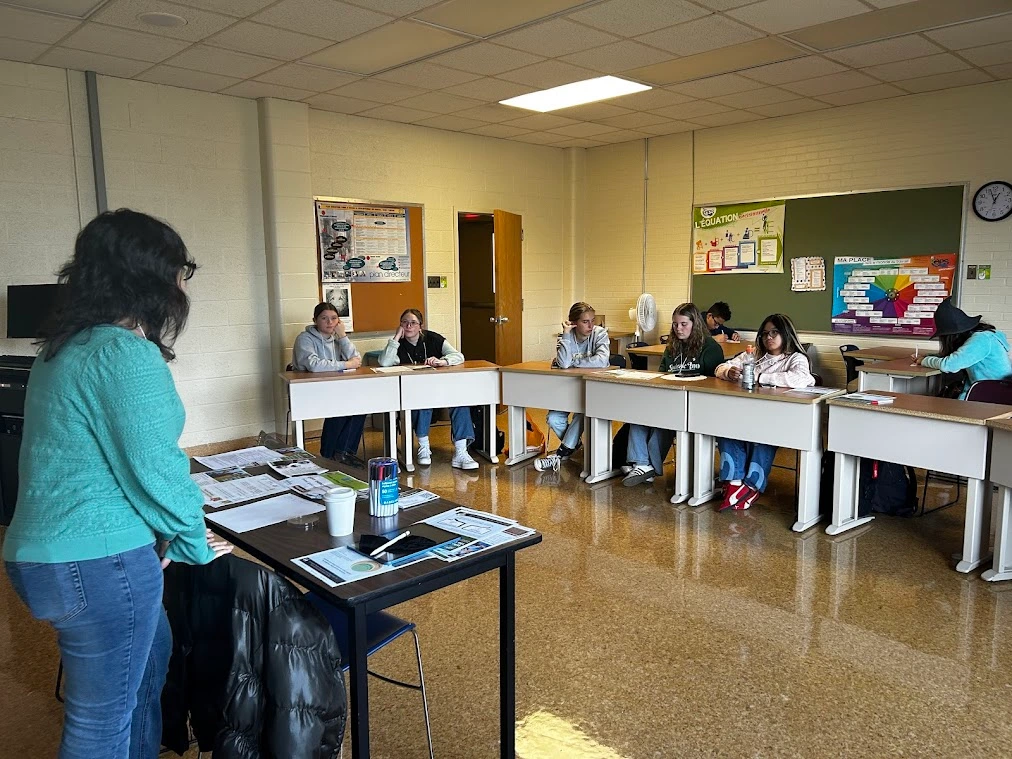
Then came the activity sheets, scenario-based challenges that asked students to think like problem-solvers, not spectators. We invited them into community-level decisions: cleaner heating systems, cost and feasibility, environmental impact, the kind of choices that don’t come with perfect solutions, only trade-offs and responsibility.
And you could feel it when the activity clicked: the room shifts from passive to alive. Students stop trying to “get it right” and start trying to make it make sense.
Different schools, different starting lines
One of the clearest lessons of the day was this: students don’t arrive equally resourced. Some schools had strong environmental education foundations—students came in fluent. Others had less exposure, and the ideas were newer, heavier, harder to hold at first. So we adapted constantly:
- slowing down and clarifying when the material felt unfamiliar,
- adding extension questions when students were ready to go deeper,
- sometimes grouping by comfort level to balance support and challenge, while keeping everyone connected to the same shared conversation.
The closing: environmental justice, and the power of “small”
At the end of each session, I delivered a short talk on environmental justice, not as a distant academic concept, but as a human one. I focused on how small choices can stack into real momentum, how individual actions, when multiplied, can become community change.
And honestly? That part mattered to me. It felt deeply motivating to imagine that even one student might leave thinking, “Maybe I can be part of this.”
The hard parts: attention, energy, and time slipping away
Not every group was easy to hold. Some classes were naturally vocal and collaborative; others were quieter, more reserved, or preferred to work independently. One group spoke so little that we had to guide participation more actively, using targeted prompts, gentle redirection, and stronger facilitation to keep the discussion moving.
There were moments when engagement dipped, and once you lose the room, time moves faster than you do. We sometimes found ourselves rushing near the end, because workshops aren’t just about content, they’re about rhythm. And rhythm can break if you don’t protect it.
What stayed with me
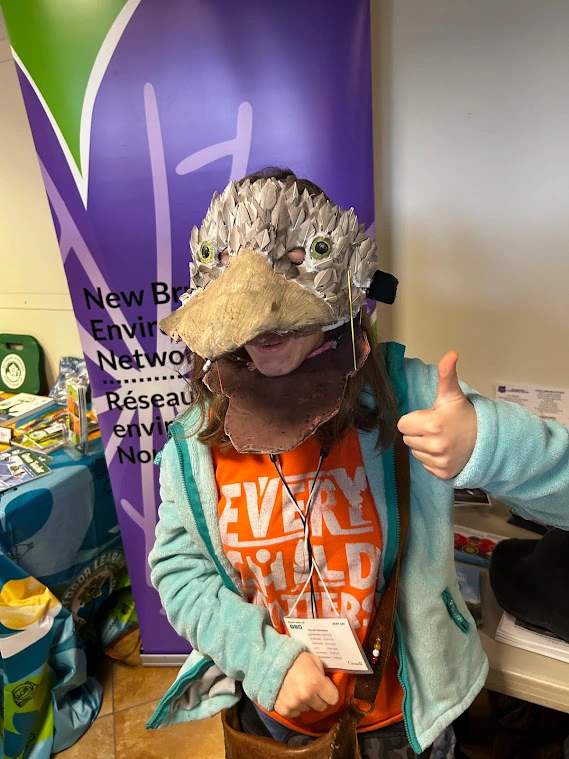
This day reinforced a truth I want to keep close: working with youth means staying flexible. You read the room, respond in real time, and treat feedback like a gift, not criticism.
The concept of the workshop was strong because it asked students to think, not just listen. The next step is to make that thinking feel even more dynamic, playful, and memorable, more movement, more choice, more “game” inside the learning, without losing the depth.
Want to collaborate or be part of our work?
USNN’s work is built through partnerships, shared learning, and people who care deeply about land, community, and conservation. If you’re an educator, researcher, community group, student, or organization looking to collaborate, team up, or explore ways to work together, we’d love to hear from you. We’re always open to co-developing programs, supporting land-based learning, contributing ecological expertise, and connecting youth and communities with meaningful conservation experiences.
Reach out via our contact page or email info@usnn.ca to start a conversation. Together, we can strengthen conservation efforts, support the next generation of land stewards, and care for the places that connect us.

Posted by:
Drew Praticante
Newsletter
Latest News