Youth Perspective on NBEN’s “Greening Our Schools” Panel: A Story from the Stage
February 14, 2026
Written by Masah Douabul, USNN Youth Engagement Co-ordinator
On the morning of October 16, 2025, the drive to Kingswood Resort in Hanwell, New Brunswick felt like moving toward something bigger than an event agenda. It felt like stepping into a living idea, symbiosis, where relationships are not just a theme, but a way of doing the work.
I arrived carrying two things at once: excitement and responsibility.
As a youth representative with United Spirit Nature Network (USNN) and a member of the New Brunswick Environmental Network (NBEN) Youth Committee, I’ve grown used to showing up, monthly meetings, shared planning sessions, youth-led conversations, and learning how change is built through consistency. Our committee is small, about seven youth from across the province, but the energy is real. Climate action, environmental education, and youth leadership are woven together through discussion and collaboration.
That consistency is what brought me here.
When I learned I’d been selected as a youth panelist for the “Reimagining Our Schools” panel at NBEN’s Symbiosis: Creating Interrelationships Towards Environmental Action conference, I felt proud. Then it hit me, I wasn’t just attending. I was speaking for youth. To decision-makers. To educators. To the people who shape what school can become.
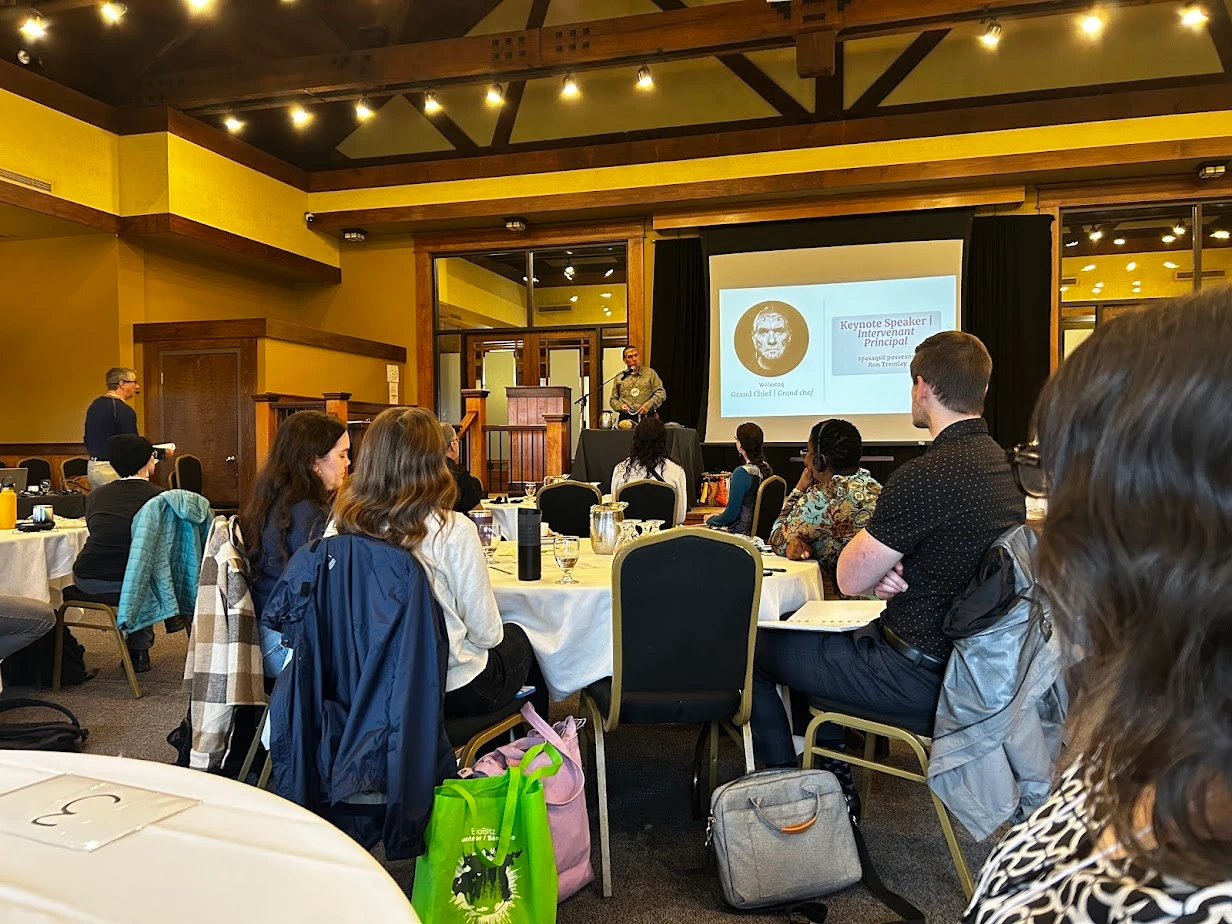
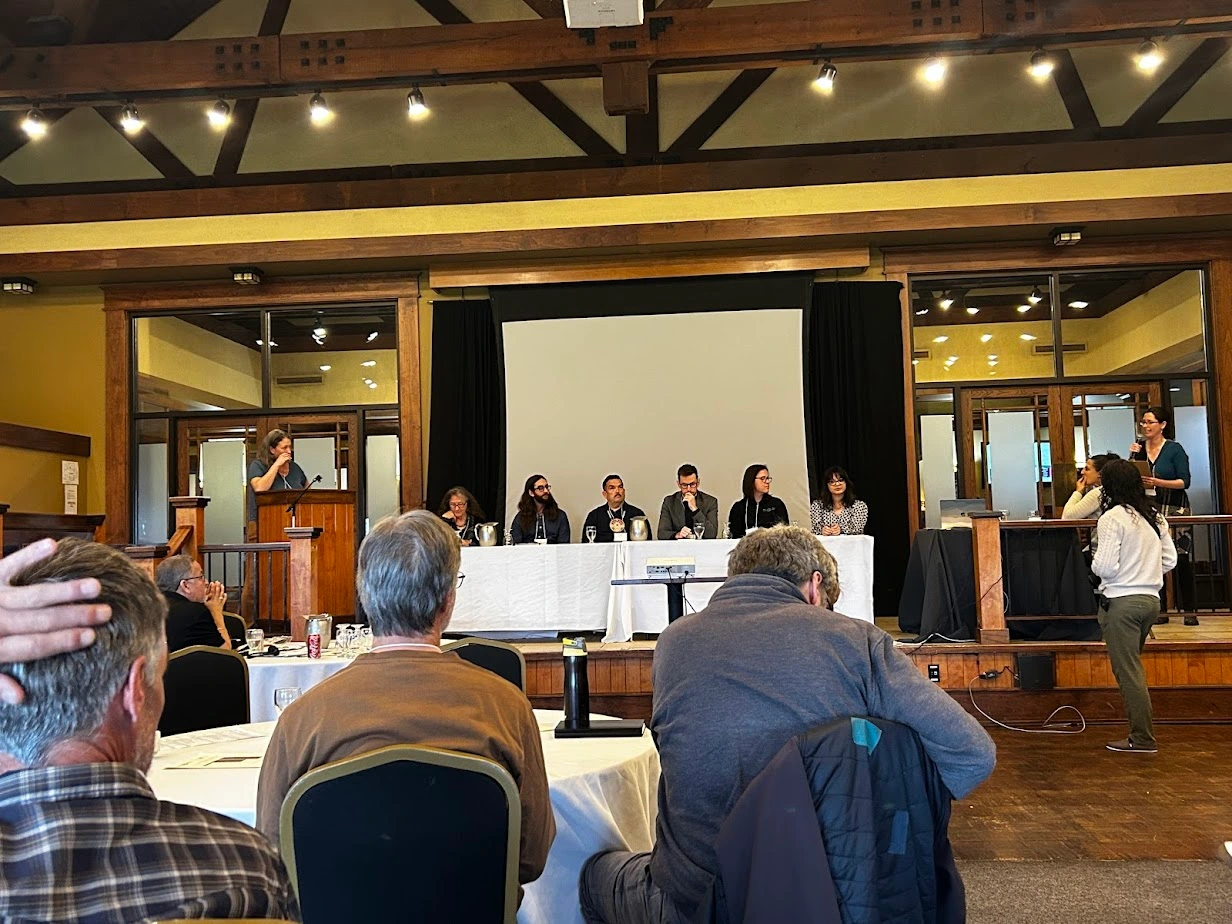
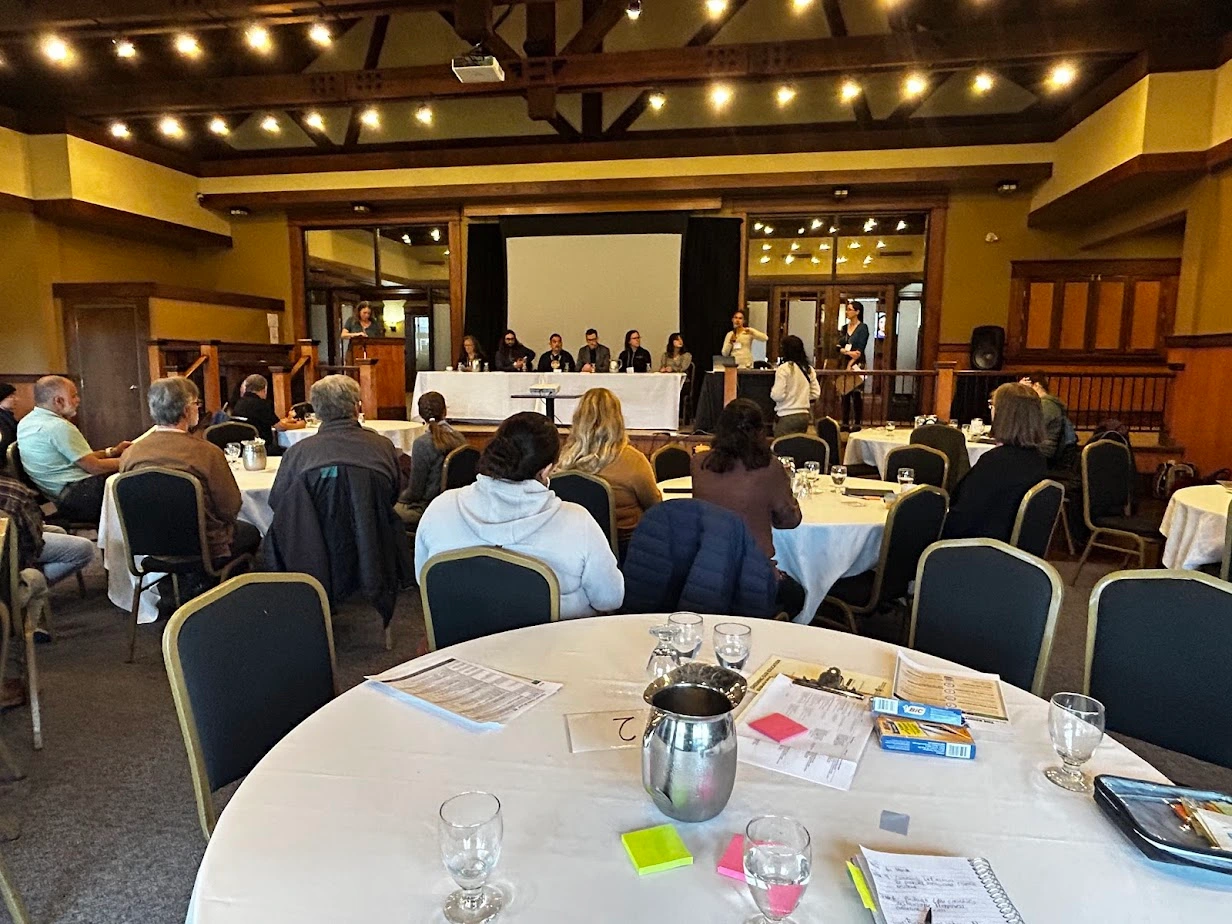
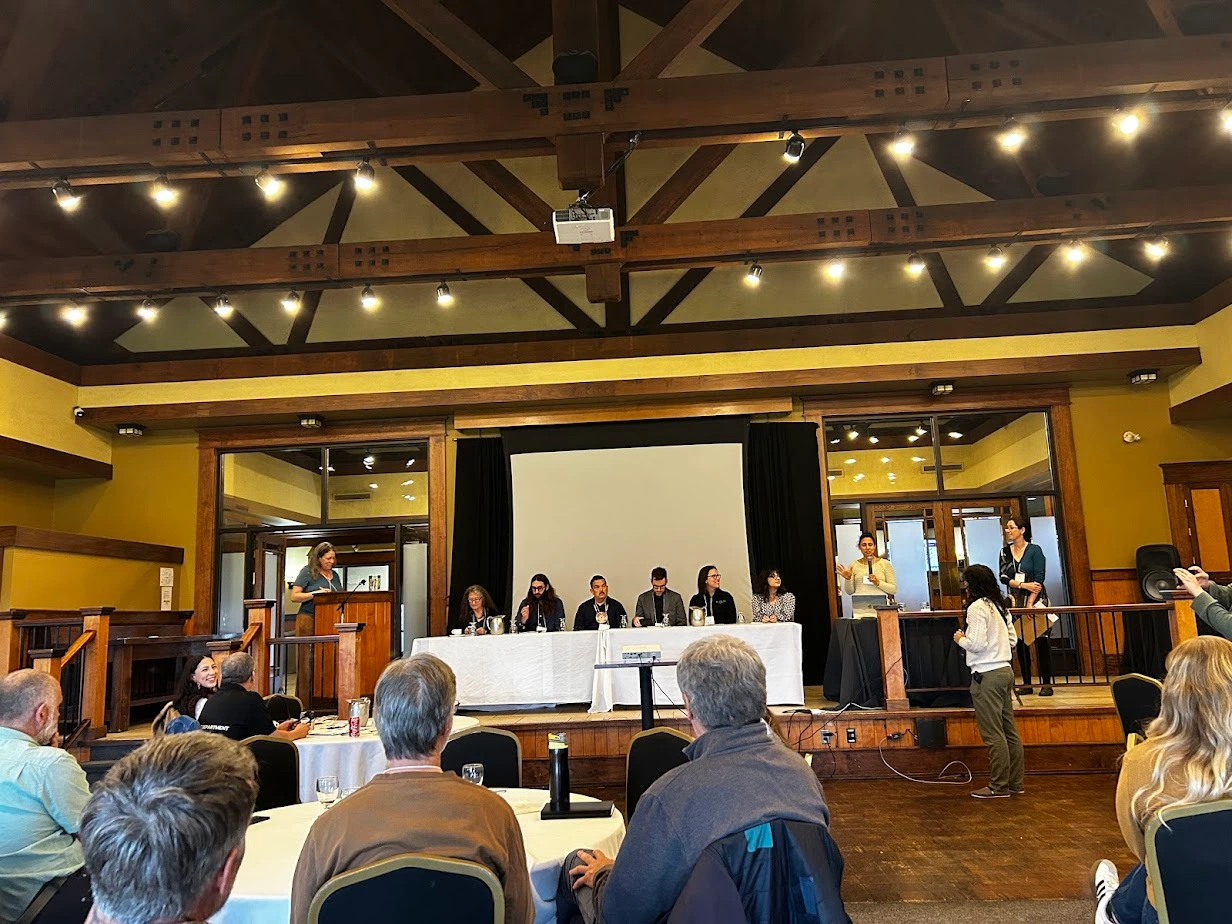
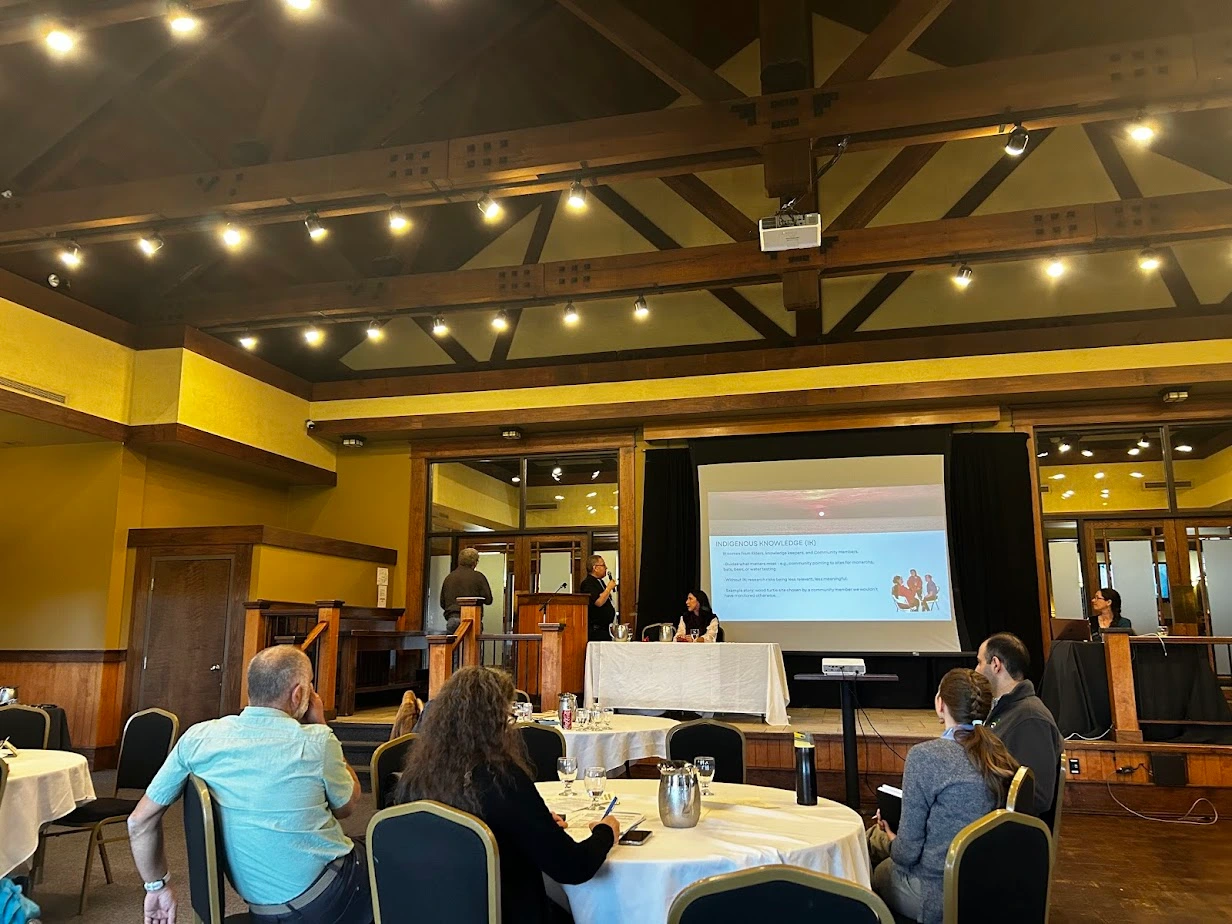
The room, the stage, the moment
The panel brought together a mix of educators, environmental leaders, advocates, and peers, people who genuinely care about what comes next. And that matters because school is where “next” takes shape. We explored what it means to integrate climate action, environmental education, and health into K–12 schools not as add-ons, but as essentials.
Walking into that room, I felt the weight of being one of the youngest voices at the table. Yet that was exactly the point. Youth don’t just inherit the outcomes of climate decisions; we are living with them right now.
Before stepping up to speak, I prepared the way I prepare for anything that truly matters. I practiced my responses, researched more deeply than usual, and worked to shape my thoughts into something clear enough to carry across the room. Then it was time.
The questions that opened the door
When the conversation turned to me, the questions didn’t feel like tests, they felt like invitations.
What can we do to bring more environmental education into schools, and make it engaging?
I spoke from a belief that has become hard to ignore: environmental learning shouldn’t depend on a student “finding it” by luck. It should be built into the system, with mandatory learning about climate action and environmental responsibility, so everyone begins with the same foundation and grows from there. And it shouldn’t live only in textbooks.
Nature is something more than just a topic in a textbook. Nature is a relationship. When kids grow up with nature present in their lives, real, felt, and familiar, climate action doesn’t seem like a distant concept reserved for “future adults.” It becomes normal. It becomes possible.
How do people my age feel about the environment?
This question landed sharply because the honest answer is complicated. I shared what I’ve noticed: a lot of youth feel a heaviness about the state of the Earth. Many believe climate change is real and serious, but they don’t believe their individual efforts truly matter. Others feel like it’s already too far gone.
But that belief isn’t truth. It’s a symptom. It grows where support is missing.
I pushed back against that hopelessness, the way you push back against darkness, by naming what can bring light. If students had more resources, stronger connections to nature, and programs designed to build optimism and agency, we could begin to replace despair with direction. Schools can be places where youth learn not only what’s happening, but what we can do about it.
Being the youngest voice: and still being heard
There’s a special kind of courage required when you speak in a space where you’re the youngest. You notice everything: the pacing, the vocabulary, the confidence of people who have been in these rooms for years.
At first, it was intimidating.
But, something shifted. I listened closely to the other panelists and felt the conversation forming like a braid: different experiences, one shared goal. And when I spoke, I could tell people were listening, not politely, but genuinely. That feeling stays with you.
After the panel, I felt a boost in confidence and a stronger sense of responsibility because youth representation isn’t only about being included; It’s about being taken seriously. And that day, I felt that.
Carrying it back home
The story didn’t end when I stepped off the stage.
I brought the experience back to my community in the simplest way: I talked about it with my peers at school. The response was warmer than I expected. Friends were proud, excited, surprised in the best way. Several told me it meant something to see someone their age part of a provincial conversation about climate and education.
It reminded me of something important: youth leadership creates ripples. Sometimes all it takes is one person being visible to make another person think, “Maybe I can be part of that too.”
What worked and what we can grow
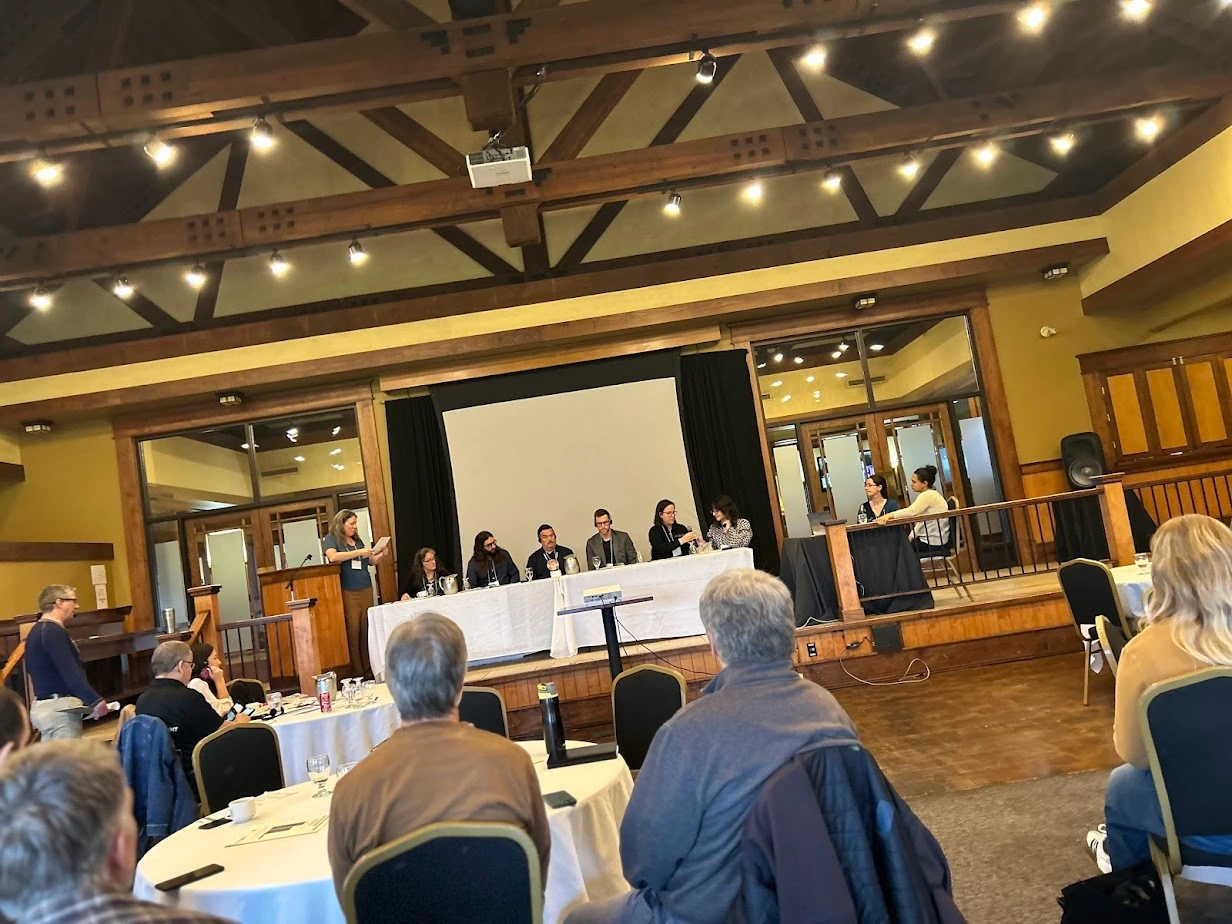
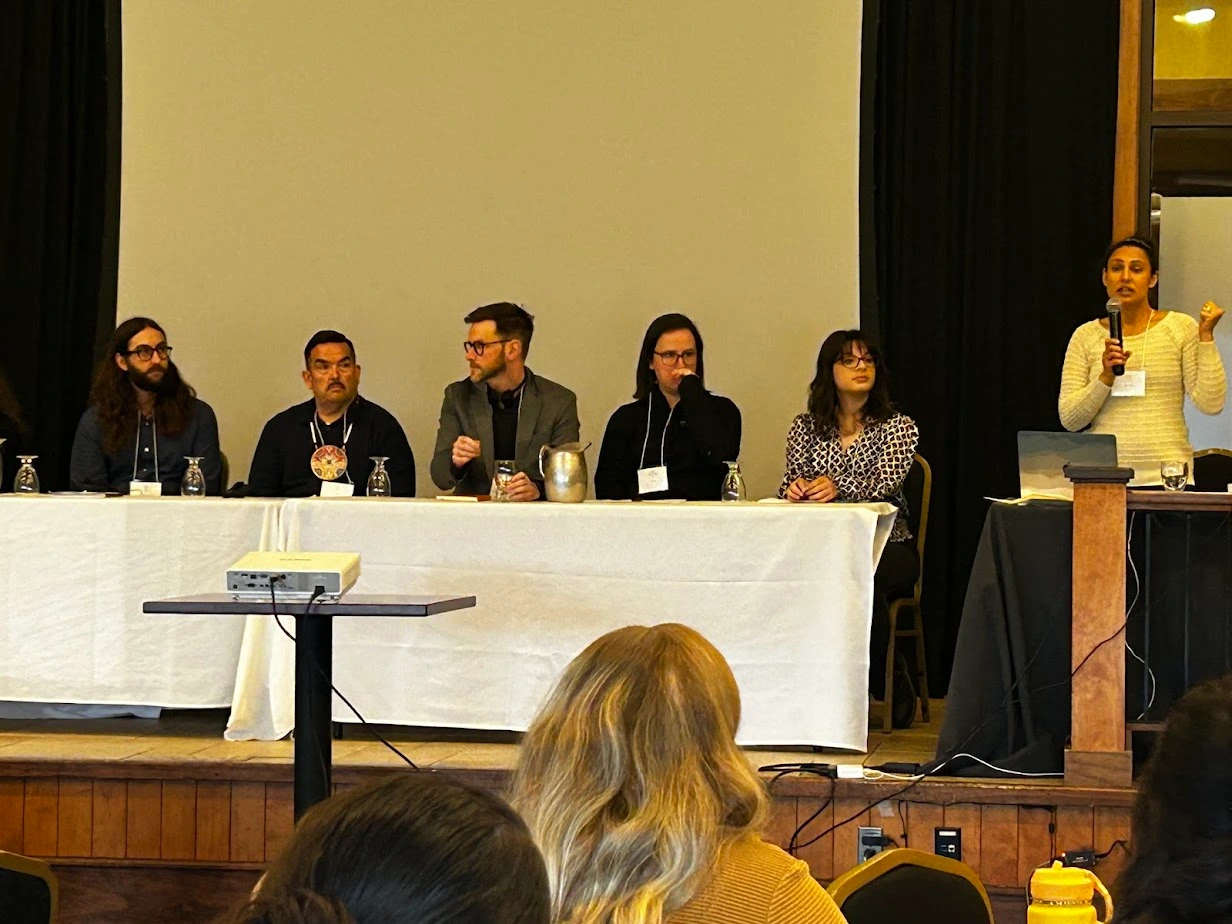
The panel was strong because it wasn’t just one perspective speaking into a room. It was intergenerational dialogue. Educators and professionals spoke from within the system, while youth brought lived experience from inside classrooms and peer culture. The format allowed us to learn from one another instead of staying siloed.
And the conference theme, symbiosis, felt real, not symbolic. Again and again, the conversation returned to relationships: how schools, communities, and organizations can support one another to move climate action forward.
Youth presence didn’t just add a “youth angle.” It grounded the conversation. It reminded everyone that decisions about education and climate land directly on young people, today, not someday.
What stayed with me
This day reinforced a truth I want to keep close: working with youth means staying flexible. You read the room, respond in real time, and treat feedback like a gift, not criticism.
The concept of the workshop was strong because it asked students to think, not just listen. The next step is to make that thinking feel even more dynamic, playful, and memorable, more movement, more choice, more “game” inside the learning, without losing the depth.
Want to collaborate or be part of our work?
USNN’s work is built through partnerships, shared learning, and people who care deeply about land, community, and conservation. If you’re an educator, researcher, community group, student, or organization looking to collaborate, team up, or explore ways to work together, we’d love to hear from you. We’re always open to co-developing programs, supporting land-based learning, contributing ecological expertise, and connecting youth and communities with meaningful conservation experiences.
Reach out via our contact page or email info@usnn.ca to start a conversation. Together, we can strengthen conservation efforts, support the next generation of land stewards, and care for the places that connect us.

Posted by:
Drew Praticante
Newsletter
Latest News